There are places you visit, and then there are places that visit you — settling into your memory long after you’ve left. The Grand Ole Opry, located in the Opryland neighborhood of Nashville, is firmly in that second category. From the moment you walk through those doors, you understand why this stage has been the heartbeat of American country music since 1925.
I made my way out to the Opry on a Tuesday night — yes, a Tuesday — and the parking lot was already buzzing. The building itself is a sight: a sprawling, purpose-built venue that seats just over 4,400 people, yet somehow manages to feel intimate once you’re inside. Credit goes to the circular arrangement of the seating and the warm wood tones throughout. You’re never truly far from the stage, and that matters more than you’d think.
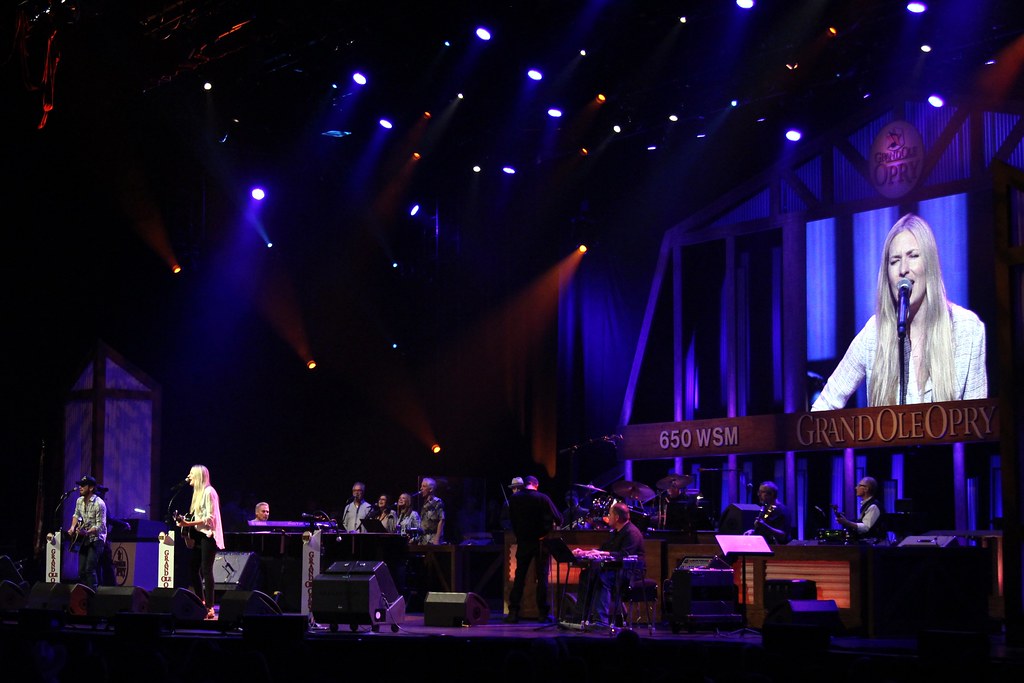
What sets the Grand Ole Opry apart from virtually every other music venue in the country is its format. Rather than a single headlining act, the show rotates through a cast of performers — sometimes five, six, even seven artists in a single evening — each doing a short set of three or four songs. You might get a legendary Hall of Famer followed by a rising newcomer, then a bluegrass ensemble, then someone you’ve been streaming for months. The variety is exhilarating, and the pacing keeps energy in the room all night long.
The circle of wood at center stage deserves its own paragraph. That worn, six-foot section of oak flooring is original to the Ryman Auditorium, the Opry’s former home, and it was installed here as a direct link to the past. Every performer who steps into that circle is standing exactly where Hank Williams, Patsy Cline, Dolly Parton, and Johnny Cash once stood. That kind of tangible history is rare, and it’s genuinely moving to witness in person.
If you can, spring for a backstage tour before showtime. You’ll walk the actual corridors where artists warm up, see the dressing rooms, and learn the stories behind the Opry’s century of broadcasting. Guides are knowledgeable and enthusiastic without being scripted-sounding, and the behind-the-scenes glimpse adds real texture to the show you’re about to watch.
Tickets are affordable by Nashville standards — often starting around $45 — and the Opry runs shows multiple nights per week, year-round, which means there’s almost always a date that fits your itinerary. The Opryland area also offers easy dining and hotel options nearby, making it a logical anchor for an evening out.
Whether country music is your first language or something you’re just beginning to appreciate, an evening at the Grand Ole Opry delivers something increasingly rare: a live experience that earns every bit of its legendary reputation.