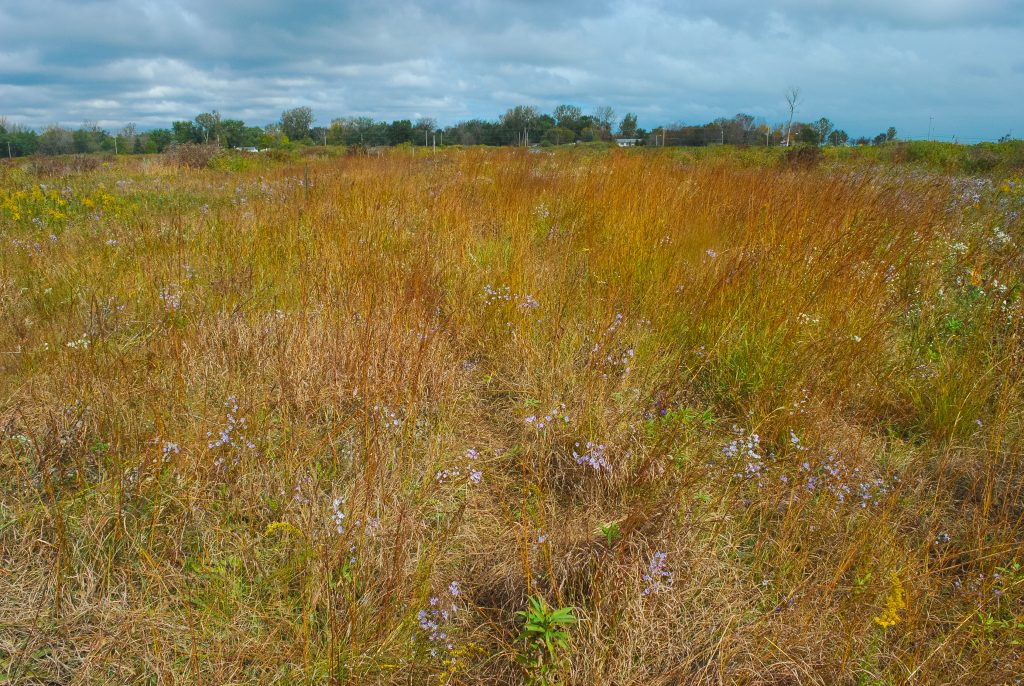
Chiwaukee Prairie is one of the largest remaining tracts of native lakeside prairie in the entire Great Lakes region — roughly 500 acres running along Lake Michigan’s western shore, just south of Kenosha proper, straddling the Wisconsin-Illinois border near the town of Pleasant Prairie. That alone is a remarkable fact. But what makes it genuinely surprising is that most Kenosha residents have never set foot there.
The prairie sits off 116th Street in Pleasant Prairie, accessible from a small gravel lot that holds maybe eight cars. There are no concession stands, no admission booth, no interpretive center with a gift shop. What there is: a network of mowed and unpaved footpaths threading through sedge meadow, wet prairie, and beach ridge swale — an ecological patchwork that the Nature Conservancy and the Wisconsin Department of Natural Resources have been quietly protecting since the 1960s. The whole area feels, in the best possible way, like it doesn’t know it’s supposed to be a destination.
Spring is the season the regulars talk about most. From late April through June, the wet prairie sections erupt with native wildflowers — shooting star, prairie phlox, blue-eyed grass, golden alexanders — in a sequence that shifts week by week. Birders show up early with binoculars during warbler migration, when the shrubby areas along the lake-edge ridges concentrate warblers, sparrows, and raptors moving north along the shoreline. Sandhill cranes pass through too, often low and loud enough to stop a conversation cold.
Summer brings a different quality: the dragonflies and native bees working the wet meadow sections, the yellow coneflowers and prairie blazing star standing waist-high, the particular stillness of a place that isn’t trying to entertain anyone. Monarch butterflies use the milkweed here on their southward migration in late August and September, in numbers that feel anachronistic — a reminder of what this part of the Midwest looked like before most of it was converted to suburb and soy.
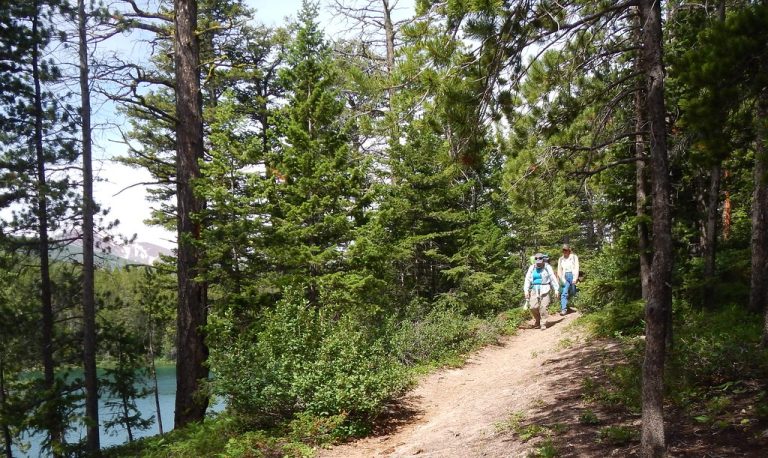
The trails are informal and partially unmarked. Some paths are mowed grass; others follow drier ridge lines where the footing is firm. The western sections near the lake can be wet and muddy after rain, so footwear matters. The whole accessible trail network amounts to a few miles at most, making this a walk rather than a hike — but a slow, unhurried one worth taking twice. Dogs are permitted on leash, though the dense vegetation and uneven terrain make this better suited to people who want to look around than to people who want to cover ground fast.
There is no fee. The parking area is open during daylight hours. Interpretive trail guides are occasionally available from the Nature Conservancy, and the Wisconsin DNR maintains a downloadable map on its website that is roughly accurate. Cell reception is spotty along the lake-edge sections, which is either an inconvenience or a point in the place’s favor, depending on who’s asking.
Chiwaukee Prairie is the kind of place that rewards people who already know they like this sort of thing — quiet, ecologically serious, without infrastructure to ease the visit. For everyone else, it asks only that they show up willing to look.