Most people have seen the aerial photographs — that enormous open wound in the Oquirrh Mountains, terraced like some alien amphitheater carved by giants. The Bingham Canyon Mine is one of the most recognizable industrial sites on earth, and it sits practically in West Jordan’s backyard. But here’s the thing: staring at it from the overlook gives you scale without context. To actually understand what that hole in the ground means — to the people who dug it, to the families who built their lives around it, and to the region that still bears its fingerprints — you need to spend a quiet hour inside the Utah Copper Museum.
Tucked into the West Jordan City Complex near 8000 South, this small but surprisingly rich museum doesn’t get the foot traffic it deserves. That’s a shame, because it’s one of the most genuinely evocative local history collections along the Wasatch Front. The exhibits walk you through the full arc of copper mining in the Salt Lake Valley, from the earliest prospectors who scratched at the canyon walls in the late 1800s to the massive industrial operations that transformed the region — and helped supply the materials for two world wars.
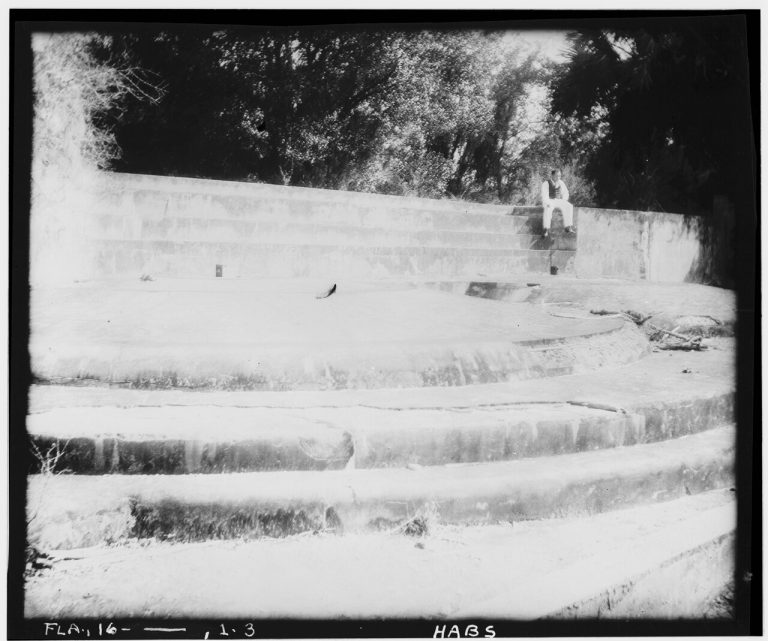
What hits you first is the photography. Enormous black-and-white prints line the walls: mustachioed miners posed in front of ore carts, immigrant families crowded onto the porches of company-built houses in the now-vanished town of Bingham, women hanging laundry while the smokestacks rose behind them. These weren’t just workers — they were Greeks, Finns, Japanese, Mexicans, Italians, and Cornish immigrants who found their footing in Utah’s industrial canyons and stayed. Their stories are told here with real respect and specificity.
The artifact collection is compact but well-chosen. Antique mining tools, hard hats worn thin by decades of use, payroll ledgers, union buttons, and a beautifully preserved model of the Bingham Canyon operations circa 1920 sit inside cases with clear, plainly written labels. Nothing is dumbed down, but nothing requires a geology degree either. It’s the kind of place where kids wander in a little bored and leave peppering their parents with questions.
The staff — often volunteers with deep personal connections to the mining community — are the secret weapon. Stop to ask a question and you might end up in a forty-minute conversation about labor organizing in the 1900s or what it was like when the canyon slide of 2013 reshaped the mine overnight. That kind of living institutional memory is increasingly rare, and it makes every visit feel like something more than a museum trip.
Admission is free, hours are accommodating, and parking is easy. It won’t take your whole afternoon, but it will absolutely enrich your next drive past those terraced slopes. Come for the curiosity. Leave with an entirely different relationship to the landscape you thought you already knew.