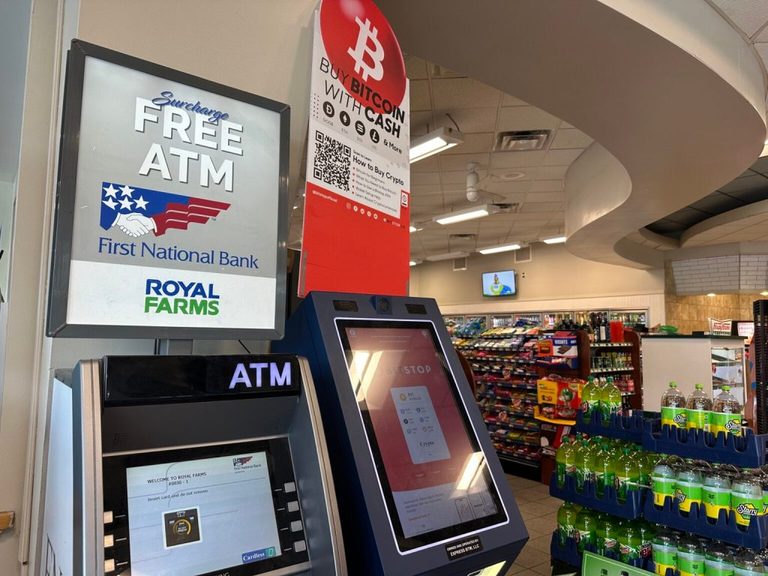
Across the United States, lawmakers are moving quickly to curb the spread of digital‑currency kiosks after a sharp rise in fraud complaints. The FBI logged 13,460 complaints in 2025, reporting almost $389 million in losses – a 23 % jump in complaints and a 58 % jump in losses from the prior year.
Statewide bans take hold
Four states – Indiana, Minnesota, Tennessee and Vermont – enacted comprehensive bans on digital‑currency kiosks in 2026. Indiana led the effort in March, followed by Tennessee and Vermont in July and Minnesota in August. Hawaii also passed a law in October that prohibits consumers from depositing cash into kiosks to purchase digital currency.
Since 2023, at least 35 states have taken legislative action on the issue, with 18 passing new measures this year alone, according to AARP, which has been urging stronger consumer protections.
Local governments join the effort
Municipalities are following suit. In Massachusetts, more than 20 towns have banned the machines as of August. Jackson, Michigan, became the first city in the state to enact a ban in late October, requiring operators to remove all kiosks by the end of January. Star, Idaho, passed a similar ban in September, also setting a removal deadline for this month.
Other jurisdictions are opting for stricter regulations rather than outright bans, adding requirements such as fraud warnings, identification checks and transaction limits.
Scam tactics target seniors and younger victims
Older Americans are especially vulnerable. More than half of the complaints involved people over 50, who reported over $302 million in losses. Scammers typically call victims, persuade them to withdraw cash from bank accounts, and direct them to a kiosk where the cash is converted into digital currency and sent to a criminal‑controlled wallet. Because the transactions are recorded on blockchain ledgers, they are difficult to reverse.
Law enforcement also warns of emerging sextortion schemes that target teenagers, especially boys aged 14‑17, demanding payment through digital‑currency kiosks or other methods. Connecticut State Police detective Matt Hogan notes that these scams can co‑occur with other crimes, including money laundering, narcotics offenses and payments linked to child sexual‑abuse material.
Industry pushback and adjustments
Operators argue that the kiosks provide a legitimate service for consumers who prefer cash transactions. CoinFlip’s general counsel, Larry Lipka, testified against Minnesota’s ban, saying, “It is inappropriate to ban a legal product because fraud is happening. Not our fault.” In response, some companies have introduced holding periods that allow transactions to be reversed, offered refunds to victims and expanded 24/7 customer support.
Bitcoin Depot, one of the largest operators, filed for bankruptcy after citing increasingly restrictive state regulations and bans, and took its kiosks offline in May.
Attorney‑general actions
Attorneys general in the District of Columbia, Iowa and Massachusetts have sued kiosk operators, alleging they failed to implement adequate safeguards. A three‑year Iowa investigation found that 98 % of transactions at Bitcoin Depot kiosks and 94 % at CoinFlip kiosks were linked to scams, prompting lawsuits against both companies.
Balancing protection and access
While many officials champion bans as essential consumer protection, some, like Detective Hogan, caution that eliminating kiosks entirely could drive criminals toward more opaque methods of moving money, complicating investigations. Nonetheless, the prevailing trend is clear: policymakers at the state and local level are prioritizing the safety of seniors and families by restricting or eliminating digital‑currency kiosks that have become a magnet for fraud.
Original reporting: The Connecticut Mirror — read the source article.