Auburn Avenue is one of the most documented streets in Atlanta, and yet most people who visit only see a fraction of it. They walk through the Martin Luther King Jr. site, maybe stop at Ebenezer Baptist Church, and head back to wherever they parked. That’s understandable. But the stretch of Sweet Auburn running from Peachtree Street east toward the Old Fourth Ward rewards a slower pace — and a willingness to look past the official markers.
The street earned its name honestly. In the early twentieth century, Auburn Avenue was one of the wealthiest Black business districts in the country. John Wesley Dobbs, the civic leader who gave the corridor its nickname, watched it produce insurance empires, newspapers, nightclubs, and professional offices at a time when Black Atlantans were systematically excluded from most of the city’s economic life. That history is real, and it’s still physically present if you know where to look.
Start at the east end and walk west. The block between Boulevard and Jackson Street holds a cluster of commercial buildings that date to the 1920s and 1930s — many of them intact, some still operating. The Herndon Building, once home to Atlanta Life Insurance Company, is worth pausing in front of. Alonzo Herndon, a formerly enslaved man who became Atlanta’s first Black millionaire, built that company into an institution that survived for decades. The building itself isn’t flashy, but that’s the point.
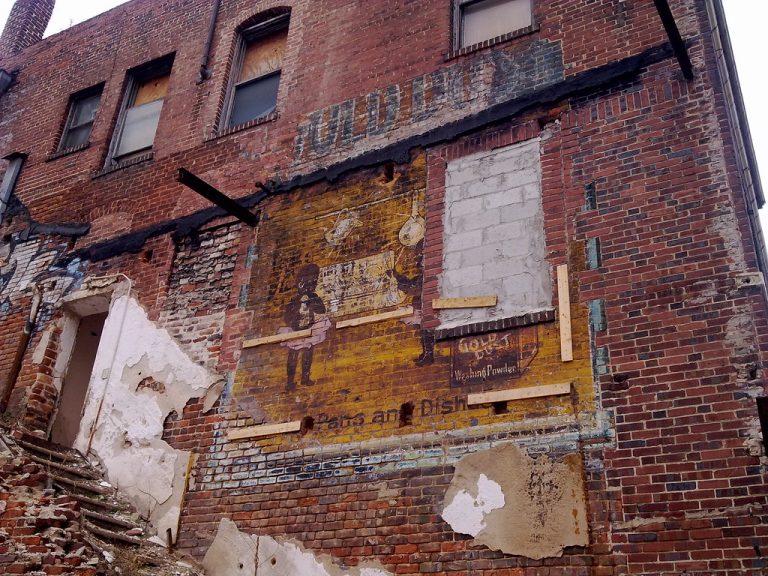
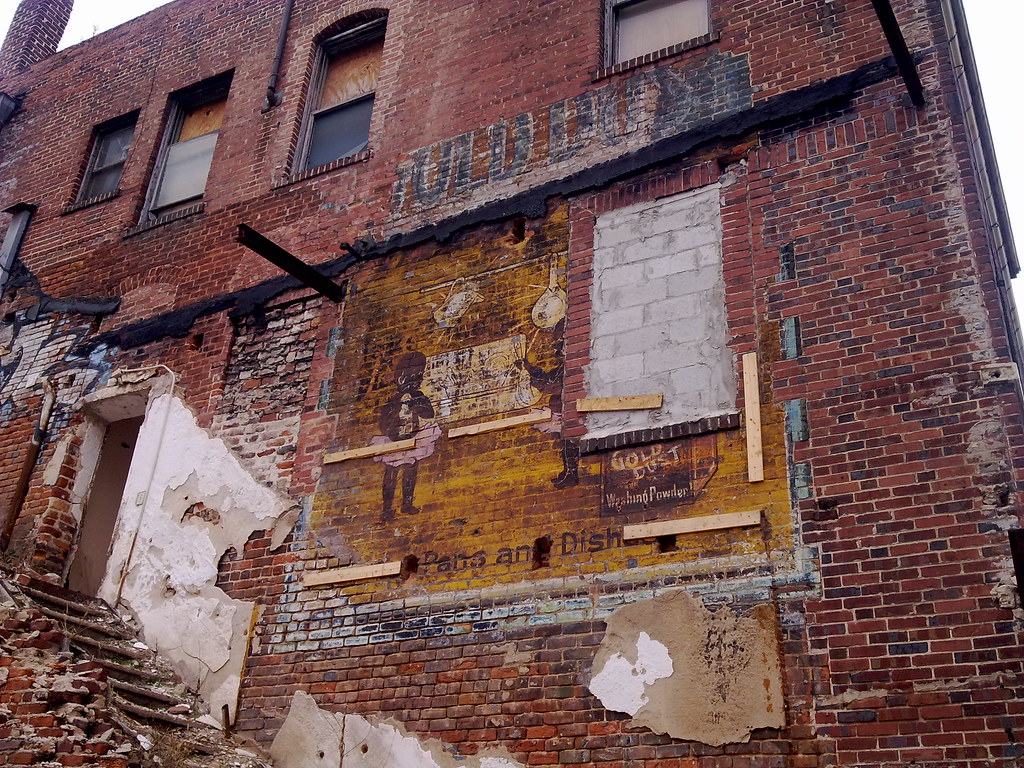
Continuing west, the streetscape shifts. Some blocks have been hollowed out by decades of disinvestment and highway construction — the downtown connector cut through the neighborhood in the 1960s and took a lot with it. But what remains has real weight. The Royal Peacock Club, now closed but still standing, once hosted Ray Charles, Little Richard, and Gladys Knight. The facade hasn’t changed much. Standing outside it on a Tuesday afternoon, there’s something almost eerie about how quiet it is.
The Big Bethel AME Church anchors the corner of Auburn and Butler. The congregation has been at that address since 1891. The current building, rebuilt in the mid-twentieth century, isn’t architecturally dramatic, but its presence is. Services are still held regularly, and the church has an active community role that goes back generations.
There’s no admission charge to walk the street. The National Park Service manages several sites in the corridor, including the King birth home and the visitor center, where free ranger-led tours run daily — usually at 10 a.m. and 2 p.m., though it’s worth confirming times on the NPS website before you go. The birth home requires a timed-entry ticket, which is free but fills up fast on weekends; book ahead online if you want to get inside.
Parking is easier than you’d expect. The lot on Auburn near Fort Street is generally uncrowded on weekdays, and MARTA’s King Memorial station puts you on the east end of the corridor with no car required.
The honest answer to what makes this street worth your afternoon is that it’s one of the few places in Atlanta where the city’s actual history is still physically present rather than curated or reconstructed. Not all of it has been preserved well, and that’s part of the story too. You’re walking through something that survived despite a lot of pressure not to, and that’s worth taking your time with.