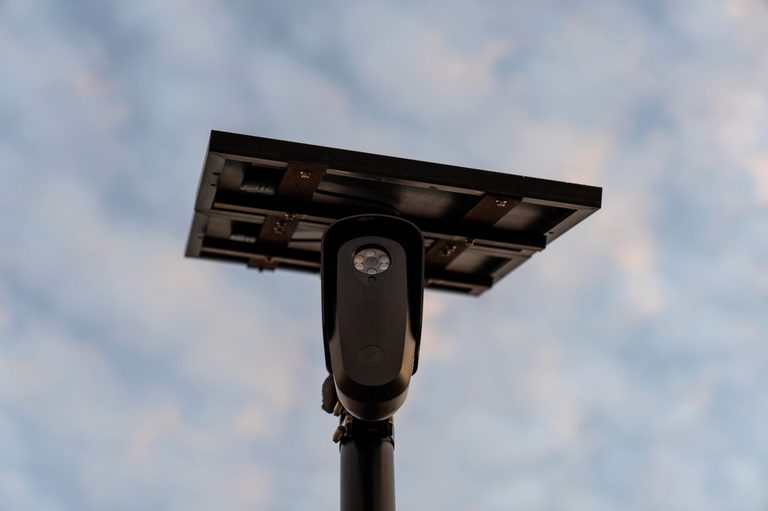
Voters across the country are hearing a new campaign issue: the deployment of Flock Safety’s AI‑driven license‑plate cameras. The Atlanta‑based company says its network operates in roughly 6,000 communities nationwide, helping police solve crimes and reunite missing persons. Critics argue the system enables warrantless mass surveillance that infringes on constitutional privacy rights.
State races bring the debate to the forefront
In Texas, Democratic Senate candidate James Talarico declared, “Flock cameras have no place in Texas,” while his Republican opponent, Ken Paxton, declined to comment. Pennsylvania Governor Josh Shapiro, a Democrat, supports a statewide ban, whereas Republican Treasurer Stacy Garrity called the devices an “intrusive invasion of privacy.”
Wisconsin’s governor’s race has turned into a flashpoint. Democratic nominee David Crowley, who previously limited Flock use in Milwaukee County, says he would enact strict transparency laws to prevent Wisconsinites from being spied on. Republican U.S. Rep. Tom Tiffany pledged to pause state funding for the cameras and to create a task force focused on privacy safeguards, data‑retention limits and protections against foreign adversaries.
In Rhode Island, Democratic Gov. Dan McKee paused new installations ahead of the September primary, citing privacy concerns. His primary challenger, former CVS executive Helena Foulkes, urged a review of data usage but did not call for a full ban.
Mid‑west and southern races echo the same theme. Michigan Democratic House nominee William Lawrence, a self‑described democratic socialist, called the cameras “the most un‑American thing I can imagine.” In Florida, Democratic Senate nominee Angie Nixon’s campaign is selling a T‑shirt that reads, “FLORIDA NEEDS TO GET THE FLOCK OUT,” after Governor Ron DeSantis’s administration ordered the removal of automated license‑plate readers from state highways.
Law‑enforcement and industry defend the technology
Police leaders and industry advocates argue the cameras are indispensable. Mitchell Davis III, chief of police in Hazel Crest, Illinois, and president of the National Organization of Black Law Enforcement Executives, warned that abandoning the technology would be “throwing the baby out with the bathwater.” He urged proper guidelines and accountability rather than outright bans.
Flock Safety’s vice president of communications, MoMo Zhou, highlighted the company’s record: roughly one million crimes solved and about 10,000 missing persons reunited with families. Zhou urged communities to engage with the facts and work with law‑enforcement to set reasonable rules.
Federal perspective
President Donald Trump recently told an Oval Office audience that his administration is studying the issue and will provide further guidance soon.
Legal scholars note that the debate touches core constitutional questions about the Fourth Amendment’s protection against unreasonable searches. As data‑center construction booms and AI technology expands, the conversation about surveillance, privacy and public safety is likely to intensify in upcoming elections.
Original reporting: KTBS 3 (Shreveport) — read the source article.