Across the Midwest and Gulf Coast, state legislators are moving to limit the role of community‑collected air‑quality data in enforcement actions. Since 2024, Louisiana, Ohio and Kentucky have each enacted laws that bar regulators from using air‑monitoring information unless it meets EPA‑approved standards. A similar proposal in West Virginia has faced industry resistance.
State legislation curtails community data
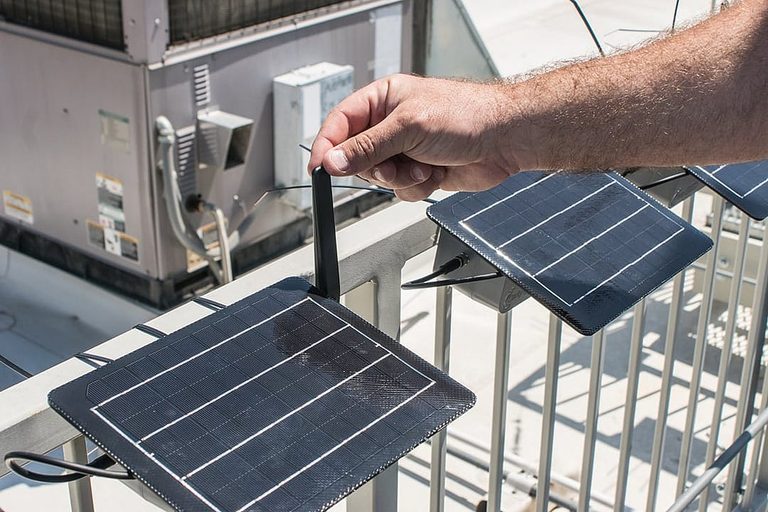
The new statutes share a common thread: they prevent regulators from relying on low‑cost sensors that residents install themselves unless the devices meet stringent federal criteria. Proponents argue that community monitoring is not reliable enough for enforcement, a claim echoed in internal communications from chemical manufacturers.
In Louisiana, the Community Air Monitoring Reliability Act (CAMRA) was drafted with input from the Louisiana Chemistry Association. The law requires that any air‑quality data used in enforcement be captured by monitors that cost tens of thousands of dollars and have been approved by the U.S. EPA. LCA president David Cresson defended the measure, saying it ensures “data used to enforce our state’s environmental protection laws complies with minimum U.S. EPA standards.”
Ohio and Kentucky passed parallel bills backed by chemical and manufacturing trade groups. Both statutes similarly restrict the use of citizen‑generated data in state enforcement actions. West Virginia’s version, which sought to add accuracy safeguards, was opposed by industry representatives who called the bill “essentially codifies what we are trying to prevent,” according to an internal Chemours email.
Federal rollbacks under the Trump administration
While states tighten their own rules, the Trump administration has delayed and rolled back several federal requirements intended to hold polluters accountable. The EPA, under President Trump, has granted more than 60 exemptions to petrochemical facilities from a rule that would have required extensive emissions cuts at roughly 200 plants. The agency is also weighing whether to rescind the rule entirely.
Industry lobbying has played a significant role. The American Chemistry Council (ACC) spent over $22 million on lobbying in 2024, ranking tenth among 9,200 tracked organizations. The ACC successfully opposed a federal mandate that would have required about two dozen chemical plants to conduct fenceline monitoring for ethylene oxide, a known carcinogen.
Impact on communities
Thousands of low‑cost sensors—often housed in garden‑shed‑sized shelters or mounted on rooftops—have served as an early‑warning system for pollutants that people cannot see or smell. These devices can detect ozone, carbon monoxide, benzene, vinyl chloride and other hazardous chemicals. However, a Floodlight analysis found that for 71 of the 100 largest industrial facilities in the four states studied, the chemical they emit the most is not measured by any government monitor in the state.
Research by Penn State assistant professor Nelson Roque shows that nearly six in ten U.S. counties lack a public air monitor entirely. The gaps disproportionately affect Black and low‑income communities, which already bear higher cancer risks from air toxics, according to EPA data.
Local efforts face funding cuts
Community groups have tried to fill the monitoring void. The Louisiana Environmental Action Network received a $500,000 grant from the Inflation Reduction Act to install monitors in 27 high‑risk communities, but the Trump administration cancelled the grant last year, allowing only four installations before the funding was withdrawn. “It’s like having your legs knocked out from under you,” said Marylee Orr, executive director of LEAN.
Despite these setbacks, some local successes remain. In Louisville, Kentucky, a long‑term air‑quality program reduced toxic contaminants by nearly 80 % and the most dangerous chemicals by 96 % over 15 years. Yet state legislators continue to pass laws that limit the use of community data, raising concerns about transparency and public health protection.
What’s next?
The Trump administration’s EPA is expected to consider further exemptions and possibly rescind the rule that prompted the industry‑state pushback. Meanwhile, advocates for stronger air‑quality monitoring are urging Congress and state governments to adopt legislation that supports, rather than restricts, community‑generated data.
Original reporting: KRDO (Colorado Springs metro) — read the source article.