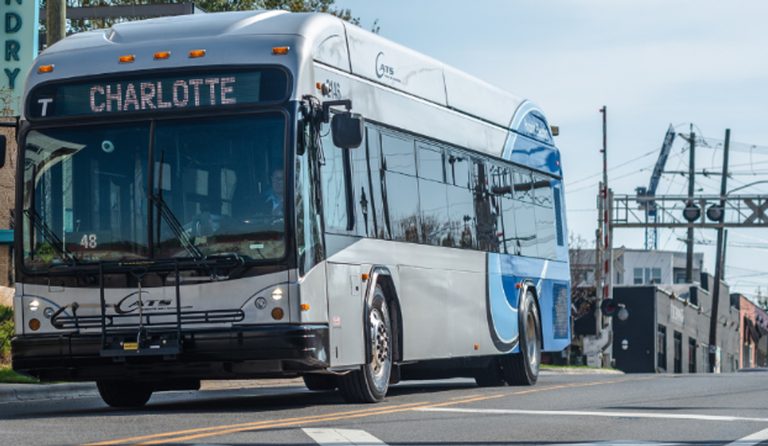
The North Carolina Office of the State Auditor released a special report this week highlighting significant revenue loss and security concerns at the Charlotte Area Transit System (CATS). According to the audit, CATS estimates that between $5 million and $6.5 million is lost annually because nearly half of its riders do not pay for tickets.
Fare‑evasion numbers
The audit found that about 45 percent of all bus and light‑rail passengers ride without a ticket—35 percent of bus riders and 60 percent of light‑rail riders. Citations for fare‑evasion dropped sharply, falling from 4,763 in fiscal year 2023 to just 2,018 in 2025. On the light‑rail side, CATS collected $750 in fines in fiscal year 2024 and only $550 in 2025.
CATS officials told auditors that bus drivers were instructed to refrain from enforcing fares to protect themselves from potential altercations, and that light‑rail operators are not tasked with collecting fares.
Security funding shortfalls
The audit also examined CATS’ safety and security budget. While the City of Charlotte allocated $7.6 million for safety projects through fiscal year 2029, CATS spent only $470,242 of its $2.2 million 2025 safety budget, leaving $1.7 million unspent. Auditors said the shortfall stemmed from the complexity of multi‑year projects, timing of capital expenses, and ongoing work that had not yet been completed.
Enforcement and policing
CATS maintains an “Exclusion List” of individuals barred from riding its buses and light‑rail lines. The list, which includes names and photos, is shared with Charlotte‑Mecklenburg Police Department (CMPD) officers and CATS operators, but the audit could not determine how consistently the exclusions are enforced. Additionally, only two CMPD officers are assigned to the Metro Transit Unit, raising questions about the adequacy of on‑site police support.
Recommendations and city response
State Auditor Dave Boliek urged the City of Charlotte, CATS, and the Metropolitan Public Transportation Authority to take immediate action to improve both security and fare compliance. Among the recommendations were the installation of gates or turnstiles at light‑rail stations to deter unpaid riders and the development of clearer enforcement procedures for the Exclusion List.
In its response, the City of Charlotte announced plans to launch a new fare‑enforcement ambassador team in October. The team will consist of more than 60 uniformed personnel tasked with increasing fare compliance and enhancing rider safety.
What’s next for Charlotte transit?
The audit’s findings come after a preliminary report was issued following the murder of Iryna Zarutska on a CATS light‑rail train. City officials say they will review the auditor’s recommendations and consider additional measures, such as expanding the Metro Transit Unit and exploring technology solutions to better track fare compliance.
Residents who rely on CATS for daily commutes are encouraged to stay informed about upcoming changes and to support efforts that keep the system safe and financially sustainable.
Original reporting: WRAL Raleigh — read the source article.