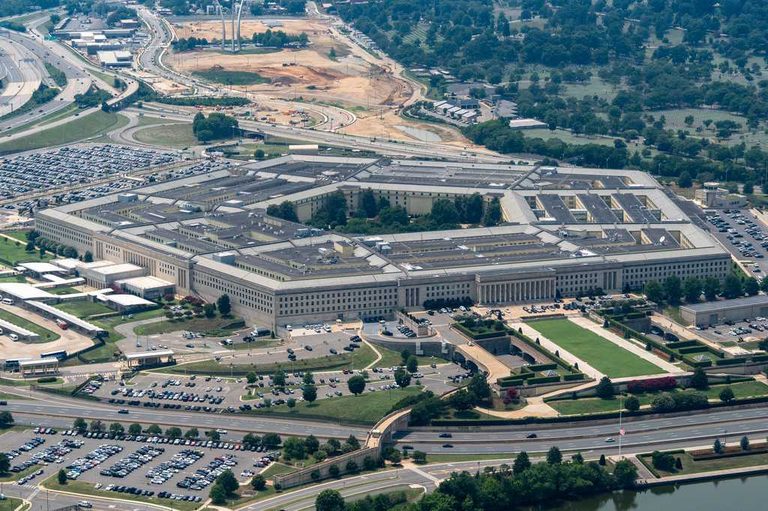
Three senior employees of the military‑funded newspaper Stars and Stripes have taken legal action against the Department of Defense, alleging that the Trump administration violated their First Amendment rights. The lawsuit, filed Thursday in federal court in Washington, D.C., names publisher Max Lederer, editor‑in‑chief Erik Slavin and Middle East reporter Lara Korte as plaintiffs.
Allegations of retaliation and censorship
According to the complaint, the three journalists were terminated after they publicly criticized what they described as Pentagon interference in editorial decisions. Slavin says he was dismissed for “insubordination” after granting an interview to CBS News in which he warned of possible censorship of the outlet’s reporting. Korte participated in the same interview. Both claim they were punished for publishing a report on deteriorating conditions aboard the U.S.S. Abraham Lincoln.
The suit also alleges that the Pentagon installed an active‑duty service member as a deputy publisher without Lederer’s knowledge, effectively undermining his authority just weeks before his planned retirement at the end of September.
Legal representation and defendants
The plaintiffs are represented by attorneys from the Democracy Defenders Fund, Lawyers for Good Government, the Government Accountability Project, and a Yale Law School clinic. The complaint lists the Department of Defense and Defense Secretary Pete Hegseth among the named defendants.
A Pentagon spokesperson declined to comment on the allegations.
Why the case matters for military families
“Stars and Stripes’ historical editorial independence is critical to its core mission of gathering and providing unbiased, credible journalism to the U.S. military community, particularly servicemembers and their families stationed overseas,” the lawsuit states. The plaintiffs argue that any erosion of that independence threatens the ability of military families to receive truthful information about conditions that affect their loved ones.
Supporters of the lawsuit contend that protecting free speech within the armed forces aligns with constitutional principles and the traditional values of strong families and faith‑based communities that rely on accurate reporting.
Potential implications
If the court finds merit in the plaintiffs’ claims, the decision could reinforce First Amendment protections for journalists operating under federal funding, setting a precedent for how the Pentagon interacts with independent media outlets. Critics of the lawsuit warn that it may complicate the Department of Defense’s ability to manage its own communications strategy.
The case is expected to proceed through the federal court system, with both sides preparing for a potentially lengthy legal battle over the balance between national security interests and constitutional freedoms.
Original reporting: WESH Orlando — read the source article.