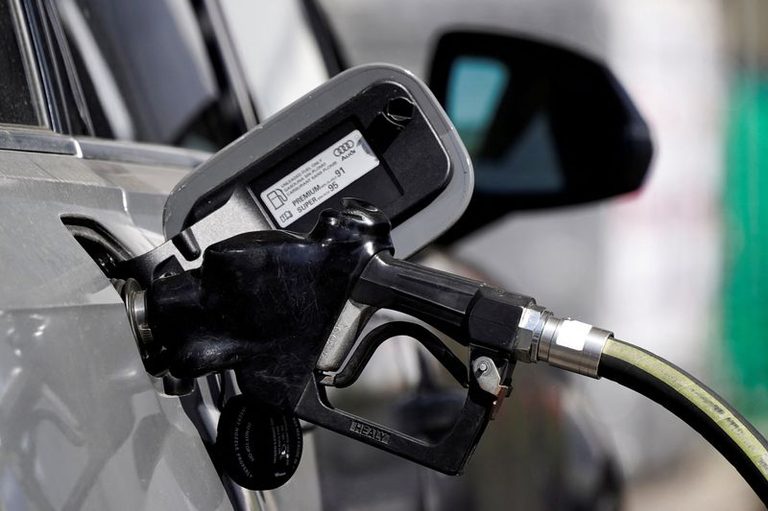
Renewed hostilities in the Gulf have revived concerns of stagflation, dimming hopes that the interim deal between the U.S. and Iran would help the world economy avoid elevated inflation alongside stagnant economic growth. Oil prices have rebounded to $100, and European gas prices are set for their biggest monthly jump since March.
Impact on the Global Economy
The U.S. has imposed new tariffs on goods from 60 trading partners, including the European Union and China, likely raising prices further. Trade frictions are adding to the uncertainty facing consumers, businesses, and investors. The risk of stagflation has been present for each economy since March, in different ways, according to Alessia Berardi, head of global macroeconomics at Amundi Investment Institute.
The latest broadening of the conflict increases the risk of stagflation, Berardi added. Energy prices remain the key driver of near-term inflation expectations. Brent crude oil, which fell to as low as $70 in early July, touched $100 again after Yemen’s Houthis said they struck two Saudi oil tankers in the Red Sea.
Effects on Markets
Government borrowing costs are at multi-year highs on inflation angst as tensions escalate once more. The U.S. inflation for June came in lower than expected, but relief proved brief, as higher energy prices pushed government bond yields up sharply. Moves in market gauges of inflation expectations have been relatively modest but could change.
Traders have resumed bets that central banks will be forced into further rate hikes to keep price pressures in check. They anticipate roughly two more quarter-point increases from the European Central Bank by year-end, on top of its June move. The challenge for policymakers, especially in energy importers like the euro area, is that raising rates also slows economic growth.
Original reporting: Appleton, WI News Feed (HLL/CB) — read the source article.