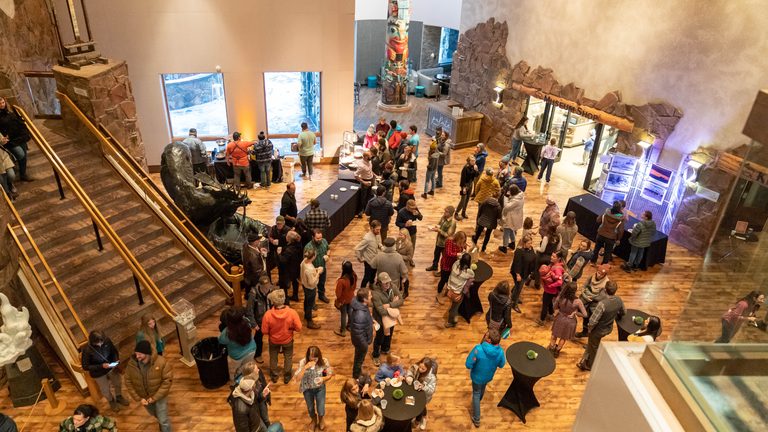
St. Johns County continued its push to address the persistent rate of deaths by suicide with the annual Out of the Darkness Walk held in St. Augustine on Sunday. Organized by the North Florida chapter of the American Foundation for Suicide Prevention (AFSP), the event gathered community members, families of loss and local leaders to honor those affected and raise funds for prevention programs.
Local fundraising and outreach
Ahead of the walk, the AFSP chapter raised more than $12,000, earmarked for suicide‑prevention initiatives throughout the region. One of the top fundraisers, local record‑store owner David Smart, contributed $1,776, the second‑highest individual total, and announced plans to start a loss‑survivor support group at his shop.
Regional collaboration
In August, St. Augustine Beach hosted the Zero Suicides St. Johns conference, drawing experts and advocates from across the state. Florida Suicide Prevention Coalition chair Rachelle Burns emphasized that the factors leading to death by suicide are consistent statewide, noting that men age 55 and older are especially at risk because they are less likely to seek help and often have greater access to lethal means such as firearms.
Positive trends in county data
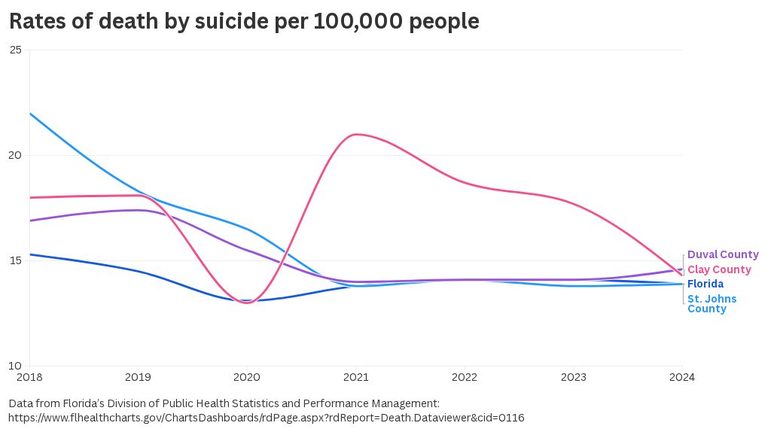
County data show a modest decline in recent years. In 2020, St. Johns County recorded 16.5 deaths by suicide per 100,000 residents, compared with 13.9 in 2024, the most recent figures released by the state. Neighboring Duval County fell from 15.5 to 14.6, and Clay County from 13.0 to 14.3 over the same period. Burns expressed optimism that the downward trend will continue, citing the 988 Suicide & Crisis Lifeline as a net positive influence.
School‑based programs
Wolfson Children’s Hospital’s Common Thread program is targeting younger residents through peer‑counseling initiatives. Coordinator Jennifer Arevalo highlighted the pressure many students feel to excel academically and secure admission to top universities, which can contribute to mental‑health struggles. By training peers to recognize warning signs and provide supportive conversation, the program aims to reduce stigma and encourage early help‑seeking.
Faith‑based support and future plans
Many of the county’s support groups operate out of local churches, offering a safe space for those grieving. While these groups have been valuable, Smart noted that church affiliation can sometimes deter individuals who prefer a secular setting. His proposed community‑run group would broaden access for all residents, regardless of religious background.
How to get help
Anyone in crisis or concerned about a loved one can reach the Suicide & Crisis Lifeline by dialing or texting 988. The Lifeline provides free, confidential support 24/7 and connects callers with local resources.
As St. Johns County continues to confront the challenge of deaths by suicide, community‑driven events, collaborative conferences and targeted youth programs illustrate a growing, faith‑and‑family‑centered response aimed at saving lives and fostering hope.
Original reporting: Jacksonville Today — read the source article.