
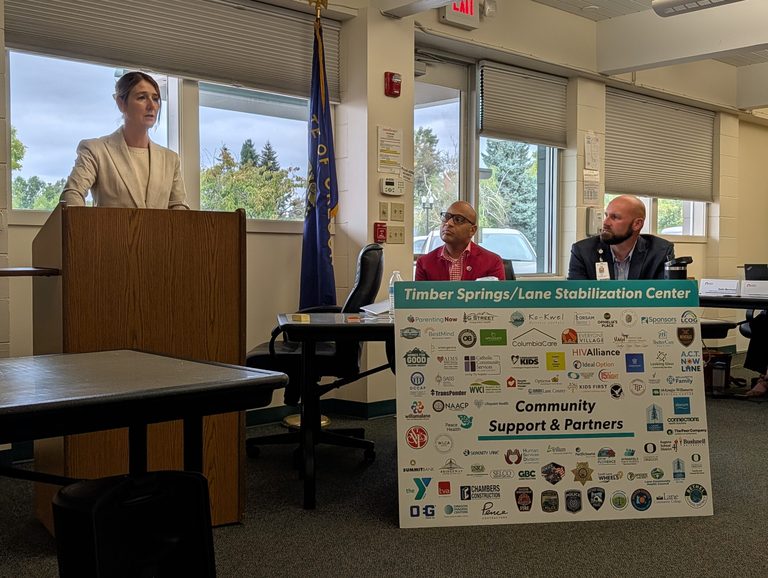
Springfield – The Springfield City Council is poised to vote on a proposal that could shape the future of mental‑health care in Lane County. Lane County and PeaceHealth have put forward a plan for a behavioral health campus that would include a 24‑hour crisis stabilization center and a 96‑bed psychiatric hospital, with dedicated beds for children.
Why the campus matters
According to the executive director of Public Defender Services of Lane County, the current behavioral‑health system leaves many individuals without treatment, driving them into emergency rooms, courtrooms, and ultimately jail cells. The lack of timely care creates a cascade of costs – police responses, prosecutorial resources, court processing, and correctional expenses – that burden taxpayers and strain public safety.
“When people cannot access the care they need, their crisis deepens and moves elsewhere – to emergency rooms, sidewalks, courtrooms and, too often, to jail and prison cells,” the director wrote. The proposed campus would intervene early, keeping families and neighbors out of the criminal‑legal system and providing humane, medically‑based treatment.
Springfield’s own precedent
Supporters point to a precedent from two decades ago when Springfield voters approved a $28.65 million bond to build a downtown justice center that included a municipal jail with nearly 100 beds. Although the original site was not an allowed use under existing zoning, the city did not abandon the project. Instead, it pursued a zone change, amended its development code, and navigated the land‑use process to bring the facility to fruition.
That history, they argue, demonstrates the city’s capacity to confront complex zoning questions when a public need is clear. The behavioral health campus presents a similar public‑interest challenge that, if addressed, could reduce the burden on the jail system and improve community health.
Council’s considerations
While the council’s agenda lists legitimate planning questions – such as site layout, traffic impact, and integration with existing infrastructure – critics caution that these should be treated as problems to solve, not reasons to abandon the project. The council’s decision will signal whether Springfield is willing to apply the same determination it once showed for the justice center to a project that could keep vulnerable individuals out of jail.
“There may be legitimate planning questions about the proposed behavioral health campus, but they should be treated as problems to solve, not excuses to abandon a project our community desperately needs,” the public defender’s statement reads.
Potential impact
If approved, the campus would provide critical treatment beds for children and adults, offering a pathway to recovery before crises become criminal matters. The expected reduction in police calls, court cases, and incarceration costs could translate into significant savings for taxpayers and a safer, healthier community.
Conversely, a vote to block the campus could perpetuate the current cycle of untreated mental illness leading to incarceration, a scenario many local leaders and faith‑based groups view as contrary to the values of compassion and personal responsibility.
Community response
Local faith leaders, families, and advocacy groups have voiced support for the campus, emphasizing the moral imperative to care for the most vulnerable. They argue that providing proper treatment aligns with Christian teachings on caring for the sick and upholding the dignity of every individual.
The council’s upcoming vote will therefore not only determine the fate of a major health project but also reflect Springfield’s broader commitment to addressing a pressing social issue with faith‑guided compassion and responsible governance.
Original reporting: Homepage – Lookout Eugene-Springfield — read the source article.


