There is a plain, cream-colored building on Court Street in downtown Montgomery that could easily pass for an old savings-and-loan branch if you weren’t paying attention. But stop. Take a breath. Look at the faded lettering, the low-slung canopy, the ticket windows behind glass. This is the Montgomery Greyhound Bus Station, and what happened inside and on the sidewalk out front on May 20, 1961, changed the United States of America.
I first walked through the door on a warm Tuesday morning, not quite sure what to expect. The building has been thoughtfully restored and now operates as a museum documenting the Freedom Riders — the courageous group of Black and white civil rights activists who boarded interstate buses across the Deep South to challenge segregated travel terminals. When they arrived in Montgomery, they were met by a violent mob. The photographs and exhibits inside don’t flinch from that truth, but they don’t leave you in despair either. The whole place vibrates with a specific kind of American courage that is rare to encounter so tangibly.
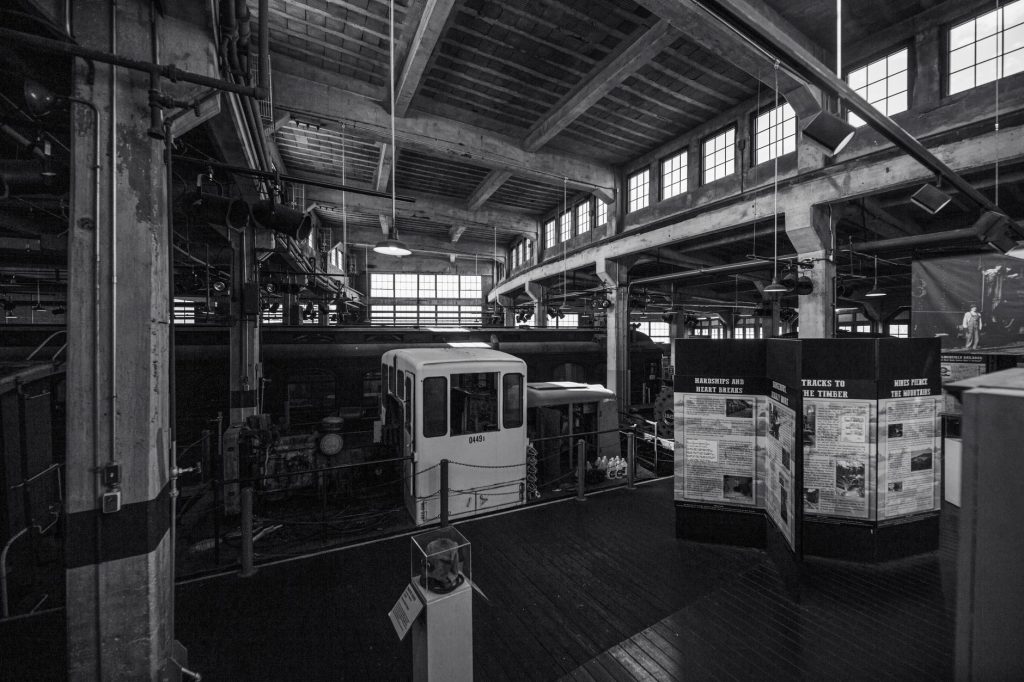
The exhibits move you through the timeline methodically. You’ll see original Freedom Rider memorabilia, newspaper front pages, documentary film footage, and first-person accounts that put you squarely on those buses and in that station. Audio recordings of survivors describing what they saw and felt are particularly powerful — this isn’t a sanitized, soft-focus version of history. It is honest, and that honesty is exactly what makes it so important and, strangely, so uplifting.
The station itself is a character in the story. The restoration team preserved the original ticket counters, waiting room benches, and the layout that would have greeted travelers in 1961. Standing in that space and understanding what it meant — legally, morally, personally — for a Black American to walk through the front door and sit wherever they chose is something you simply cannot get from a textbook.
The museum sits at 210 South Court Street, a short walk from the Alabama State Capitol and the broader Civil Rights corridor that makes Montgomery one of the most historically significant cities in the country. Plan on spending at least 90 minutes here, though two hours is better. The staff is knowledgeable and genuinely passionate — don’t hesitate to ask questions. Admission is modest, and the museum is typically open Tuesday through Saturday.
If you are putting together a Montgomery itinerary and wondering which stops will stay with you longest, put the Greyhound Bus Station Museum at the top of the list. It is not a difficult visit, but it is a necessary one — the kind that quietly reshapes how you see the city, the country, and yourself. That is exactly what the best museums do.