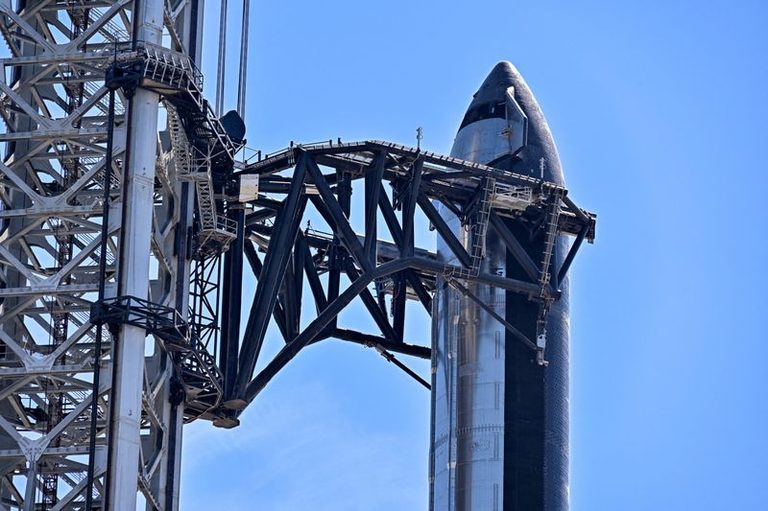
SpaceX’s Starship rocket took off from the Starbase complex near Brownsville, Texas, at about 7:46 a.m. CT (1246 GMT) on Monday, launching the vehicle’s 14th test flight and its first attempt to achieve orbit.
Local milestone for Texas aerospace
The launch underscores Texas’s growing role in the national space industry. Starbase, situated along the Gulf of Mexico, has become a hub for high‑profile aerospace activity, drawing skilled workers and supporting local businesses. Residents of Brownsville and surrounding communities watched the 40‑story‑tall vehicle thunder away, a sight that highlights the state’s contribution to cutting‑edge technology.
Mission profile
The uncrewed Starship consists of a Super Heavy booster topped by the Starship upper stage. After liftoff, the vehicle is expected to complete six Earth orbits over a roughly ten‑hour flight, the longest duration yet for a Starship test. Following the orbital segment, the spacecraft will re‑enter the atmosphere and splash down in the Pacific Ocean west of Chile.
Why orbit matters
Reaching orbit has been a long‑awaited benchmark for Starship, a capability essential for delivering payloads such as SpaceX’s Starlink satellites and future NASA missions to the moon. Elon Musk originally projected an orbital flight in 2022, with satellite deployments slated for 2023. Although earlier test flights remained sub‑orbital, this launch represents a pivotal step toward the company’s ambitious cadence.
Economic impact
Since 2023, SpaceX has invested more than $15 billion in the Starship program. The company envisions a future where hundreds or thousands of Starships fly each year, a launch rate that would dwarf current industry norms and generate substantial economic activity in Texas. Local suppliers, construction firms, and service providers stand to benefit from the increased demand for parts, infrastructure, and workforce training.
Looking ahead
If the mission succeeds, SpaceX plans to transition to routine operational flights later this year, using Starship to launch batches of Starlink satellites and potentially other commercial or governmental payloads. The successful orbital flight would also bolster confidence among investors and partners, reinforcing Texas’s reputation as a premier location for aerospace innovation.
SpaceX officials emphasized that safety and rigorous testing remain top priorities. “Each flight brings us closer to a sustainable, high‑frequency launch system that can serve both commercial and scientific needs,” said a company spokesperson. The next steps will involve analyzing flight data, refining the vehicle’s systems, and preparing for the upcoming operational schedule.
Original reporting: Appleton, WI News Feed (HLL/CB) — read the source article.