Columbia, South Carolina – Voters in the Palmetto State will head to the polls Tuesday for a decisive Republican primary runoff that will determine who fills the U.S. Senate seat left vacant by the late Sen. Lindsey Graham. The two candidates, Sen. Darline Graham and Rep. Ralph Norman, emerged as the top vote‑getters in the Aug. 11 primary and now face off in a two‑week runoff.
Local candidates, national attention
Sen. Darline Graham, a political newcomer who was appointed interim senator after her brother’s death, has leaned heavily on her family name and the backing of former President Donald Trump. Trump endorsed Graham before she officially entered the race, campaigned for her in Myrtle Beach, and participated in a tele‑rally the night before the runoff. The Trump‑aligned super PAC MAGA Inc. has contributed nearly $830,000 to Graham’s campaign for voter‑contact efforts.
Rep. Ralph Norman brings nearly two decades of experience in state and federal office. He previously ran for governor, securing a third‑place finish in the Republican primary, and has attracted endorsements from Sen. Rick Scott, Sen. Mike Lee, former Sen. Jim DeMint, and the conservative youth group Turning Point Action. Norman has also invested more than $1 million of his own money into the runoff campaign.
Campaign themes and voter concerns
Graham’s messaging emphasizes continuity with her brother’s legacy and unwavering support for Trump’s policy agenda, including tax cuts and a voting‑rights bill she co‑sponsored. She has used video messages to assure constituents that she is “working hard for you” in Washington, despite her limited time on the campaign trail.
Norman, positioning himself as the experienced legislator, has highlighted his record in Congress and willingness to take unpopular but principled stands. While he has generally supported Trump’s agenda, he previously backed former Gov. Nikki Haley in the early 2024 presidential primary, a point he has addressed by stressing his overall alignment with Trump’s policies.
Debate performance under scrutiny
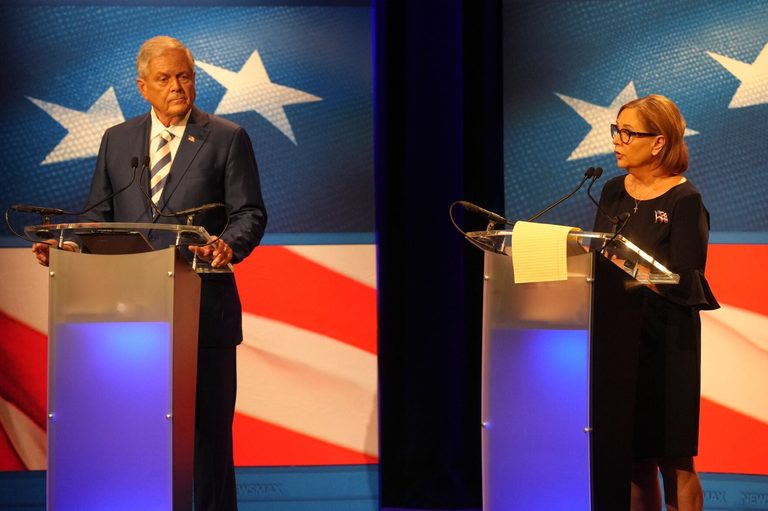
The sole runoff debate featured a notable exchange on foreign policy. When asked about U.S. national‑security interests in Taiwan and the South China Sea, Graham admitted she was “not that informed on national security,” shifting focus to domestic issues like affordability. Norman responded by affirming Taiwan as a “definite ally” and praised Trump for enabling Taiwan’s defense capabilities. Norman’s campaign has used Graham’s answer to question her qualifications.
What’s at stake
South Carolina has not elected a Democratic senator in decades, and the GOP primary effectively decides the next senator. The winner will inherit a seat that influences national policy on defense, trade, and the judiciary. Both candidates are courting the state’s conservative base, but their approaches differ: Graham relies on name recognition and Trump’s endorsement, while Norman leans on his legislative experience and personal financial contributions.
Local voters will receive early‑voting ballots at sites across the state, including locations near Trump’s recent rally. Turnout will likely be driven by enthusiasm for the candidates’ differing visions for representing South Carolina in Washington.
Looking ahead
If Graham secures the nomination, she will join the November general election ballot as the Republican candidate, facing Democratic nominee Dr. Annie Andrews, a Charleston physician who has already positioned herself as a challenger to the GOP establishment. Should Norman win, he will bring a seasoned congressional voice to the Senate race, potentially shaping the GOP’s strategy in the upcoming midterm cycle.
Original reporting: KTBS 3 (Shreveport) — read the source article.