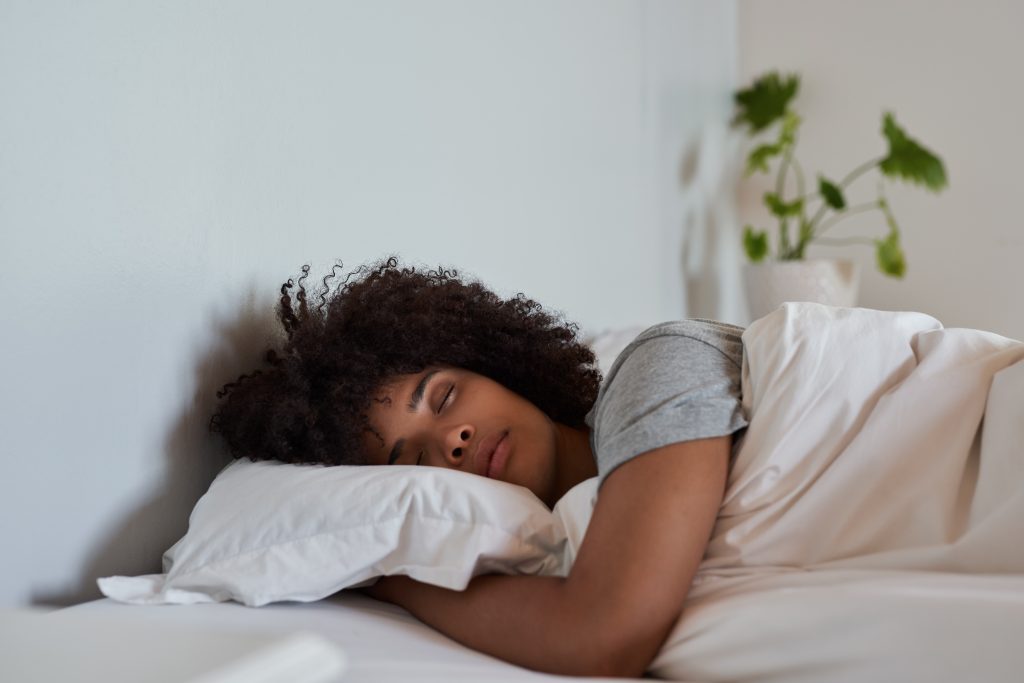
Sleep medicine doctors have a few simple tricks that actually work when you wake up at 3 a.m., and this piece walks through one quick breathing tool, why it helps, and sensible habits to stack around it for better nights. It mentions practical steps anyone can try in a typical bedroom to lower heart rate and quiet the mind so falling back asleep feels possible again. I’ll explain how the eight-second focus works, what to avoid, and the small tweaks that make it stick without turning midnight wake-ups into an anxiety spiral.
Waking up in the middle of the night is brutal because your brain often tags the awakening as a problem and starts worrying, which keeps you awake. The trick here is to interrupt that worry loop gently and lower the body’s arousal, not to force sleep like it’s a lightswitch. A calm, repeatable action gives your nervous system something simple to do so it can stop scanning for threats and start drifting back toward rest.
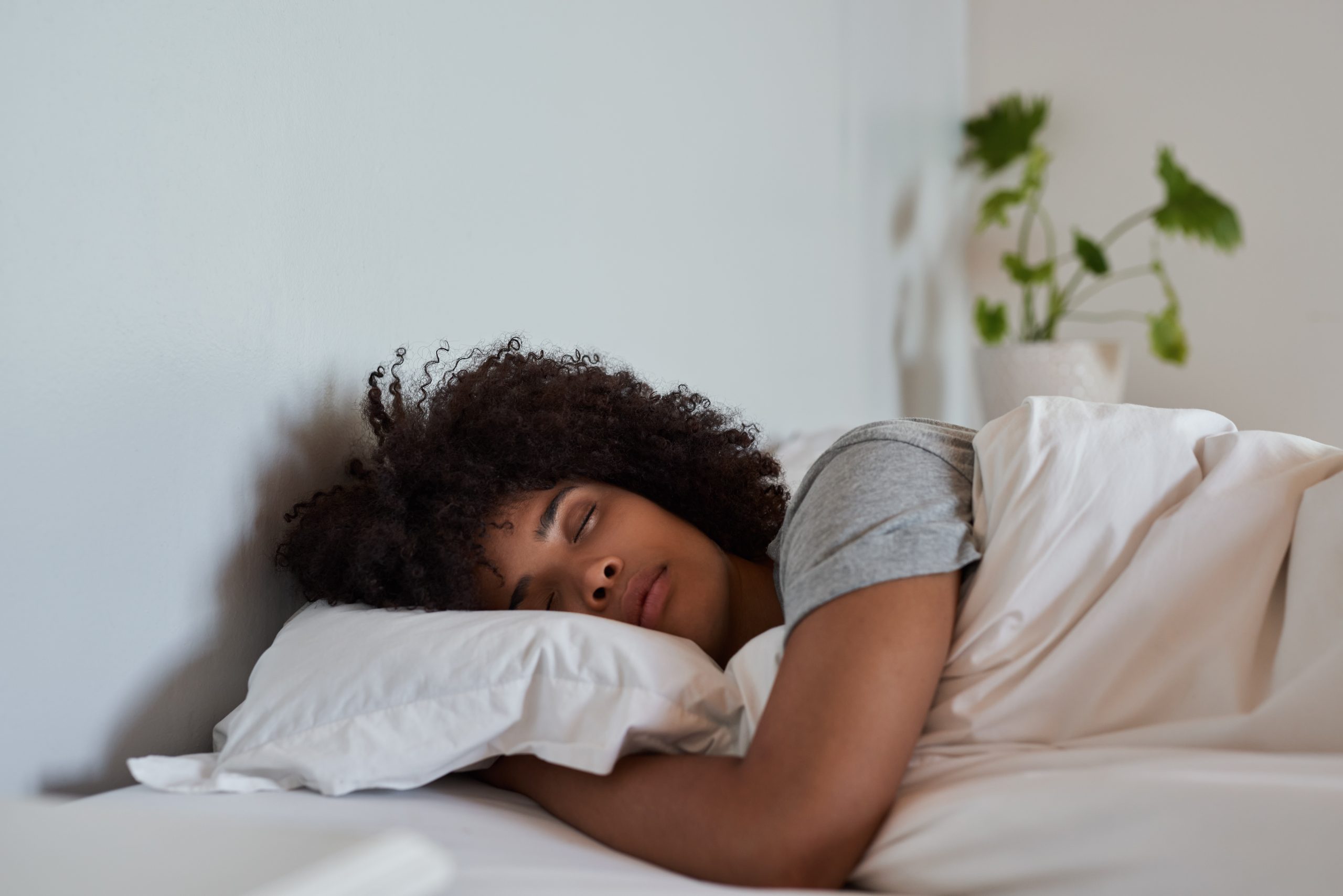
The eight-second breathing approach is easy to do in bed and needs no timers or apps: take a slow inhale and then make the exhale last about eight seconds, keeping the inhale gentle and even. The aim is to lengthen the out-breath because longer exhalation activates the parasympathetic system, the body’s brake pedal for stress, which nudges your heart rate down and your muscles to relax. Repeat this for several cycles while keeping attention on the breath rather than on the clock or the looming to-do list.
Some people prefer a specific rhythm like four seconds in and eight seconds out, while others find a natural inhale followed by an intentional eight-second release works better; neither is sacred, what matters is slowing the breath and calming the body. If counting makes your mind buzzy, use a soft mental cue like “soft” on the inhale and “let go” on the exhale to anchor attention without ramping up thinking. The technique is low-risk and can be done in the dark without turning on lights, which helps keep melatonin rhythms intact.
Beyond the breath, tiny environment tweaks matter: keep the bedroom cool, limit bright devices, and resist checking your phone for the time because light and blue screens stimulate wakefulness. If you do get up, keep the lights dim and do something boring and calm for a short while—reading under a low lamp or sitting quietly—then return to bed when you feel sleepy again. That behavioral rule reduces the brain’s temptation to link the bed with wakeful activity and reinforces sleep as the default action.
Expectations also shape how well tricks work: telling yourself you must pass out immediately makes the problem worse because pressure raises cortisol and vigilance. Instead, aim for relaxation and curiosity—test the breath and watch what happens without demanding results. This softer stance lowers performance anxiety about sleep and lets physiological processes do their work without interference from your intentions.
People with frequent awakenings or daytime sleepiness should still check in with a clinician because there are medical causes like sleep apnea or restless legs that need different treatments. The simple breathing method is a useful first-line tool for the occasional middle-of-the-night wake-up but not a substitute for professional evaluation when problems are chronic. Keeping a short sleep diary for a couple of weeks can help spot patterns worth discussing with a sleep specialist.
When you practice the eight-second exhale over several nights, it often becomes automatic and loses its novelty as a trick, which is good—it becomes a calming habit rather than a performance. Pair it with consistent sleep-wake times and evening routines that avoid heavy meals, caffeine late in the day, and intense screens right before bed. Over time those steady inputs reduce the frequency of wake-ups and make the breathing cue more effective when they do occur.
Finally, give yourself permission to be imperfect: one restless night is normal and doesn’t ruin long-term sleep health, so treat wake-ups as small blips not evidence of failure. Use the breathing tool, keep the room set up to help you, and if sleep still won’t come after a reasonable stretch, get out of bed briefly and return only when drowsy. The whole point is to make falling back asleep easier, not to create pressure; do the compact, simple things that calm your body and let the rest follow naturally.