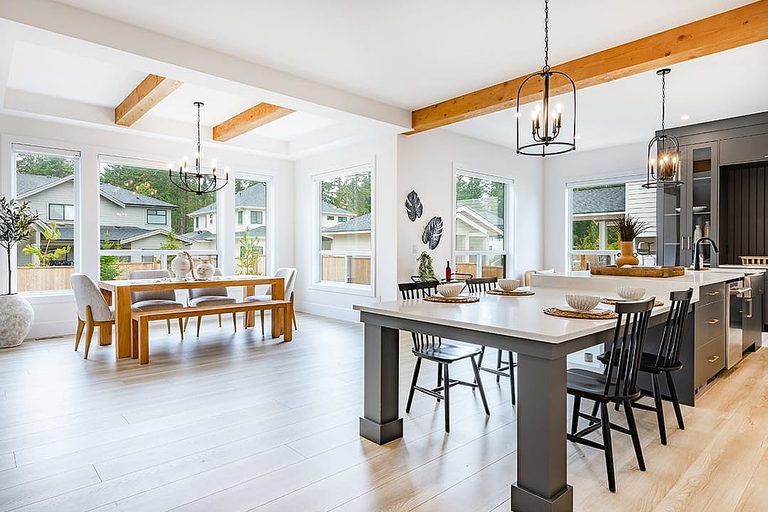
Designers and homeowners are increasingly turning to daylight as a free, renewable resource that benefits both the wallet and well‑being. Reece Windows & Doors, a Florida‑based window manufacturer, explains how modern home layouts that prioritize natural light can cut energy use and promote healthier living.
Energy savings from daylight
Artificial lighting typically accounts for 5%–10% of a household’s electricity consumption. By allowing sunlight to illuminate interior spaces during the day, homeowners can reduce that portion of the bill by a few percentage points. In addition, sunlight carries solar radiation that converts to thermal energy when it strikes interior surfaces such as concrete, tile or drywall. South‑facing homes with passive‑solar design can capture this warmth in winter, keeping rooms comfortably toasty without extra heating.
Managing heat in summer
When temperatures climb to 100°F, modern low‑emissivity (low‑E) glass and energy‑efficient window treatments help prevent overheating while still admitting daylight. Properly designed overhangs and shading devices block high‑angle summer sun, allowing homes to stay cool without excessive air‑conditioning.
Health and well‑being benefits
Numerous studies show that exposure to natural light supports circadian rhythms, improves sleep quality, reduces eye strain and boosts cognitive function. People who work in naturally lit environments report lower rates of depressive symptoms and burnout. Early‑day sunlight also helps strengthen bones and regulates mood, reducing the risk of Seasonal Affective Disorder.
Design features that maximize daylight
Architects are incorporating floor‑to‑ceiling and corner windows, skylights, light tubes and wide sliding glass doors to flood interiors with daylight. Light‑colored walls and strategically placed mirrors reflect sunlight deeper into rooms, while open‑plan layouts allow light to travel unhindered. In the Northern Hemisphere, orienting the main living spaces toward the south and positioning the house on an east‑west axis captures low‑angle winter sun and minimizes summer glare.
Putting it all together
When a home welcomes abundant natural light, it becomes more energy‑efficient, more comfortable and more supportive of residents’ health. By combining thoughtful orientation, high‑performance glazing and interior finishes that reflect light, homeowners can enjoy both lower utility costs and a brighter, healthier living environment.
Original reporting: KTVZ (Central Oregon) — read the source article.