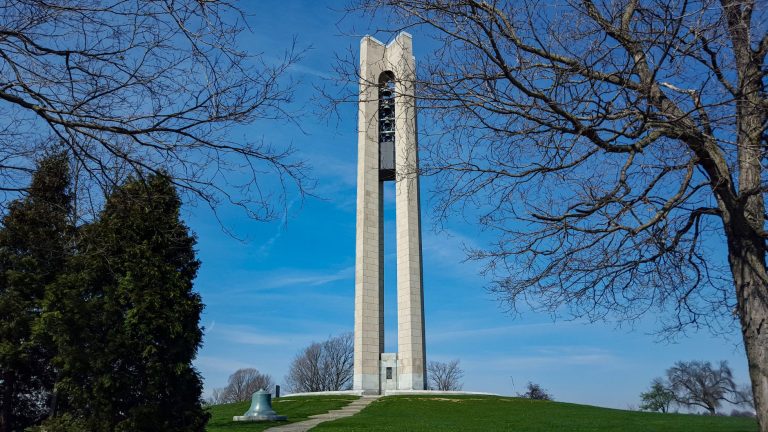
About twenty minutes north of downtown Cincinnati, past the suburban sprawl of Hamilton and up a winding road flanked by wildflower meadows, there is a place that stops you cold the moment you step out of the car. Pyramid Hill Sculpture Park & Museum sits on 335 acres of rolling Ohio countryside, and it is one of the most quietly magnificent places in the entire tristate region. If you have never been, fix that soon. If you have been and haven’t returned in a few years, go back — because it keeps getting better.
The park was founded by Harry T. Wilks, a Cincinnati-area attorney with a passion for monumental art and an eye for land that could hold it. He began acquiring pieces and acreage in the 1990s, and the result is a sprawling outdoor museum where massive bronze, steel, stone, and cast-iron sculptures are set into the landscape with the kind of thoughtful placement that makes each one feel inevitable. There are more than 70 large-scale works distributed across the grounds, and the journey between them — down gravel paths, through forest clearings, over gentle hilltops with views that stretch for miles — is as much a part of the experience as the art itself.
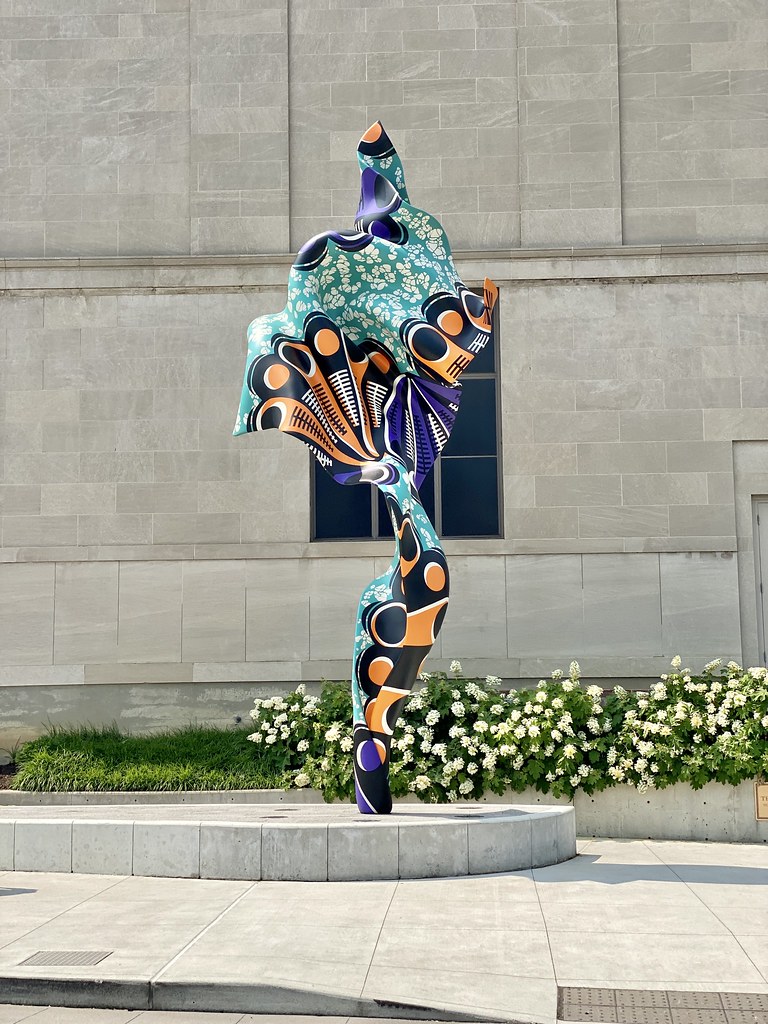
One of the most memorable moments on any visit comes when you crest a particular rise and find yourself face to face with a towering abstract steel form silhouetted against an open Ohio sky. No wall, no explanatory placard crowding your experience — just you, the piece, and the landscape. That kind of encounter is rare, and Pyramid Hill delivers it again and again.
The park also houses the Ancient Sculpture Museum, an indoor gallery containing genuine Greek, Roman, and Egyptian antiquities — including actual mummy fragments and carved marble portrait busts dating back more than two millennia. It is a genuinely surprising addition, and it gives rainy-day visitors or those who need a break from the outdoors somewhere equally compelling to land.
Families love it here for obvious reasons. Kids can roam freely, clamber around (respectfully) near some of the sculptures, and generally experience art as something that exists in the world rather than behind velvet ropes. The park offers pedal-cart rentals so younger visitors can cover more ground without complaints, and there are picnic areas where you can spread out a lunch and watch the light change on the hillsides.
Admission is modest — a few dollars per person, with children under six free — and the park is open year-round, though spring through fall is when it is most spectacular. Fall is particularly extraordinary: the maples and oaks turn vivid orange and red, and the sculptures take on a different gravity against all that color. If you can time a visit for October, do it.
Pyramid Hill is not a secret, exactly, but it operates below the cultural radar in a way that consistently baffles anyone who discovers it for the first time. It is the kind of place that makes you feel lucky to live close enough to visit on a whim, and it is absolutely worth the short drive from Cincinnati. Go once and you will spend the next several years dragging every out-of-town guest there with you.