There is a moment, somewhere between stepping off the shaded boardwalk and watching a black bear lumber lazily through the cypress trees, when you realize that Charles Towne Landing State Historic Site is unlike anything else in Charleston. It is history and nature braided together so naturally that you almost forget you are standing on the very ground where English colonists first set foot in Carolina back in 1670. Almost.
Tucked into the Old Town area of Charleston — just a short drive from downtown along Highway 171 — Charles Towne Landing sits on 664 acres of ancient land that hugs the banks of the Old Towne Creek. The moment you pass through the entrance gates, the noise and bustle of the city simply evaporate. Spanish moss drifts from live oaks that have been standing since before the Revolution. Formal gardens give way to wild marshland, and somewhere in the distance a great blue heron lifts off in that unhurried way herons have, as if time genuinely does not concern them.
The centerpiece of the site is the Animal Forest, a naturalistic habitat where you can walk winding paths and spot animals native to the Carolina Low Country — not behind thick glass, but separated by open moats and forested buffers that make you feel delightfully close. River otters spin through dark water. Pumas pace in the dappled shade. Bison graze in open meadows with the kind of unbothered confidence that only comes from being the largest creature in the room. For families, this alone is worth the price of admission, but it barely scratches the surface of what the park offers.
History lovers will want to linger at the Adventure, a full-scale reproduction of a seventeenth-century trading vessel moored along the creek. Step aboard and suddenly the colonial era stops being a textbook concept and becomes something you can touch — the worn planking underfoot, the rigging swaying in the sea breeze, the view across the tidal creek that the original settlers would have recognized immediately. Nearby, archaeological excavations have revealed the outlines of the original settlement, and interpretive exhibits explain what daily life looked like for those first 150 colonists who dared to build a new world from nothing but marsh grass and ambition.
The trail network here is one of Charleston’s quiet treasures. Miles of paved and unpaved paths wind through ancient earthworks, formal Legare-Waring Gardens, and open meadows where wildflowers bloom from spring through fall. Cyclists bring their bikes, joggers come for the shade, and photographers come for the golden hour light that filters through the canopy in ways that feel almost staged. Pack a picnic, because there are few better places in the city to spread a blanket and simply breathe.
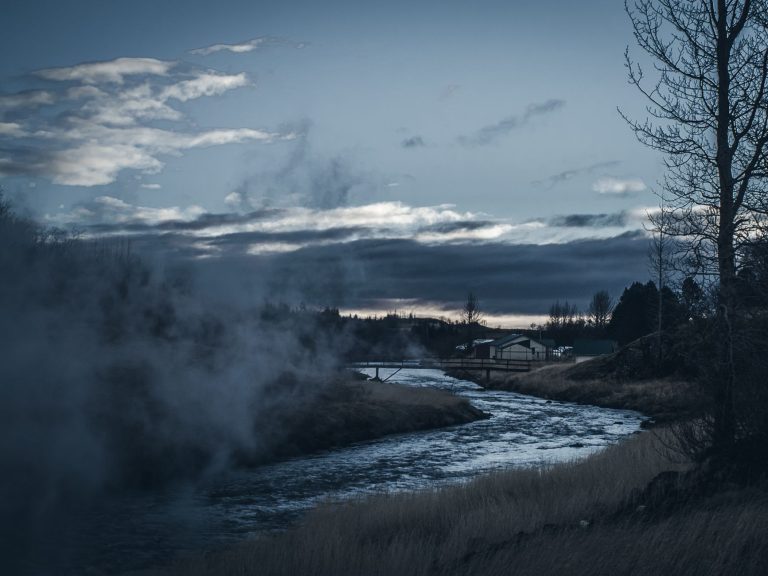
Admission is modest — a genuine bargain by any measure — and the site is open year-round. Spring and fall are particularly magical when the gardens are in full color and the temperatures are forgiving, but even a winter afternoon here has a quiet, misty beauty that is hard to replicate anywhere else in the Lowcountry.
Charles Towne Landing is one of those places that residents drive past for years before finally stopping in, and every single one of them will tell you the same thing afterward: they wish they had come sooner. Do not make that mistake. Block out a morning, wear comfortable shoes, and let this extraordinary piece of living history remind you why Charleston captured imaginations three and a half centuries ago — and has never really let go.