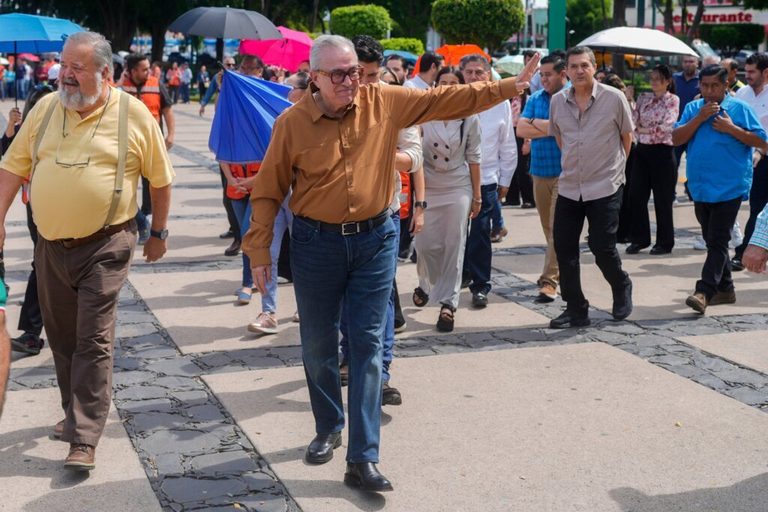
In a rapid turn of events that underscores the political fallout from a U.S. criminal indictment, Sinaloa Governor Rubén Rocha Moya reversed his decision to resume duties and formally requested an indefinite leave of absence from the state legislature. The request comes just a day after he announced his return, claiming that Mexico’s Attorney General’s Office had found no evidence of his involvement in drug‑trafficking conspiracies.
Party backlash drives the leave request
Members of the ruling Morena party, including President Claudia Sheinbaum, publicly rebuked Rocha Moya’s brief comeback. Sheinbaum wrote that no personal interest should outweigh the nation’s interests, emphasizing that public servants must recognize the temporary nature of their positions. Morena’s national leadership said they had no prior knowledge of the governor’s return and labeled the move a personal decision.
Morena’s Senate bloc urged respect for the ongoing investigation, and the party’s lower‑house leader, Ricardo Monreal, appealed to the governor—who has been a longtime ally—to remain on leave. In response, Rocha Moya posted that “Sinaloa, the nation and the transformation movement come first,” and asked legislators to approve his indefinite leave.
U.S. indictment and its implications
Federal prosecutors in New York unsealed an indictment in early May that accuses Rocha Moya and nine other current or former Mexican officials of protecting members of the Sinaloa cartel in exchange for bribes. The indictment alleges the group facilitated the trafficking of fentanyl, heroin, cocaine and methamphetamine into the United States.
The case represents the most significant action taken by the Trump administration against alleged official corruption that enables Mexican cartels. While President Sheinbaum has denied shielding the governor, she rejected Washington’s request to arrest and extradite the defendants without credible evidence, insisting any prosecution must occur in Mexico.
Legal and constitutional questions
Rocha Moya, 77, stepped aside in early May to cooperate with Mexican investigators, hoping to avoid the constitutional immunity that protects sitting governors. Legal scholars remain divided on whether taking leave removes that immunity and whether a new indefinite leave would do the same.
Following the indictment, the mayor of Culiacán and the state’s deputy attorney general also resigned, and two former senior state officials surrendered to U.S. authorities. The state continues to grapple with a two‑year‑long violent conflict between rival factions of the cartel that bears its name.
What’s next for Sinaloa?
The state legislature is expected to vote on the governor’s request within days. If approved, the governor will remain out of office while the investigation proceeds, leaving the state’s executive functions to the interim leadership. The episode highlights the delicate balance Mexican leaders must strike between domestic political pressures and U.S. demands for cooperation on transnational crime.
Original reporting: Alexandria, VA News – WTOP News — read the source article.