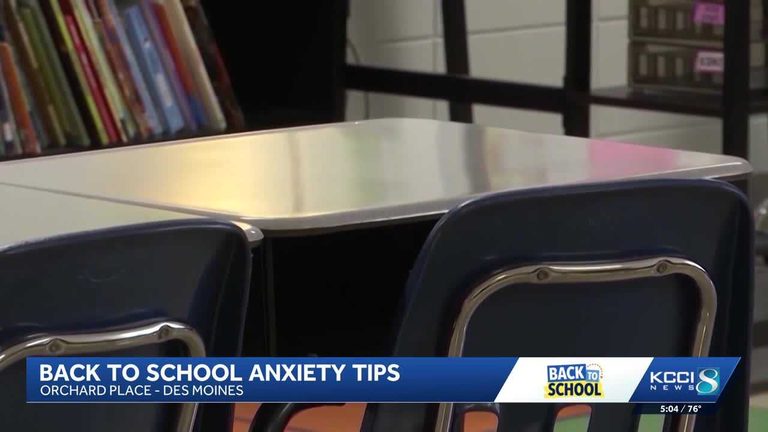
As the new school year begins, Orchard Place, a mental‑health provider in Des Moines, is reminding parents that a steady home routine can make the transition smoother for children who feel nervous about returning to class.
Consistent routines are key
Child mental‑health counselor Allison Rawls explained that keeping bedtime, wake‑up time, and after‑school activities predictable helps children feel secure. “When a child knows what to expect at home, the classroom changes become less overwhelming,” Rawls said.
Parents are encouraged to check in with their kids daily, asking open‑ended questions about how the day went and observing any shifts in behavior. Signs that may indicate heightened stress include withdrawing from friends, frequent tearfulness, or a prolonged sense of tension that lasts for several weeks.
When to seek additional support
Rawls likened mental‑health symptoms to physical health concerns, noting that just as families would visit a doctor for a fever, they should consider professional help for persistent anxiety. “If the anxiety continues for more than a few weeks, reaching out to the school counselor or a mental‑health professional is a prudent step,” she advised.
Orchard Place recommends that parents first contact their child’s school counselor, who can provide resources, coordinate with teachers, and suggest coping strategies tailored to the classroom environment. If the school’s support is insufficient, families can schedule an evaluation with a child psychologist or therapist.
Practical tips for families
- Maintain regular sleep schedules. Consistent bedtime and wake‑up times support emotional regulation.
- Create a calm after‑school routine. Activities such as reading, light exercise, or family meals can help children decompress.
- Encourage open conversation. Ask children how they felt during the day without pressuring them to share more than they’re comfortable with.
- Watch for warning signs. Isolation, frequent crying, or ongoing irritability may signal deeper anxiety.
- Utilize school resources. School counselors are trained to identify and address anxiety early.
Rawls emphasized that a collaborative approach—parents, schools, and mental‑health professionals working together—offers the best chance for children to thrive academically and emotionally.
Community resources
Orchard Place also provides a list of local support groups and workshops for parents seeking additional guidance on managing school‑related stress. Information is available on the organization’s website and at their Des Moines office.
By fostering consistent home habits and staying vigilant for signs of distress, families can help their children navigate the back‑to‑school transition with confidence and resilience.
Original reporting: KCCI Des Moines — read the source article.