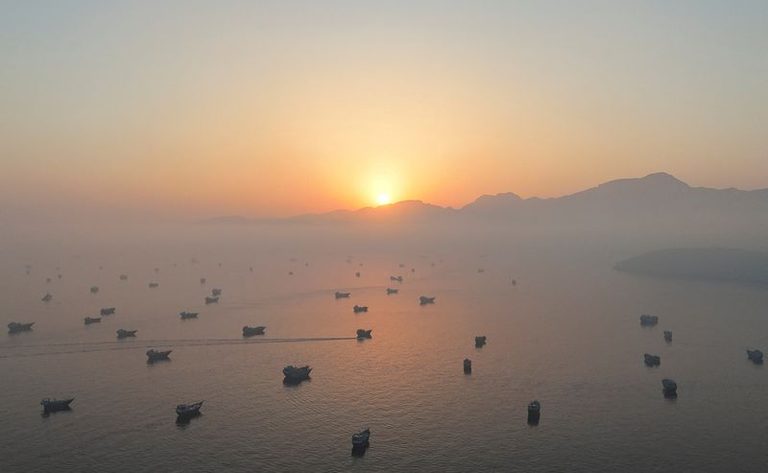
Shipping activity through the Strait of Hormuz, a chokepoint that handles roughly one‑fifth of the world’s crude oil and liquefied natural gas shipments, has slowed noticeably. Kpler data released on Wednesday recorded six commodity vessels crossing the strait on Tuesday, a drop from nine the previous day and well below the ten‑day average of 11 vessels per day.
Reduced traffic reflects uncertainty
The decline in traffic appears tied to a lack of clear signaling from regional authorities about when the waterway will fully reopen after a blockade imposed during the recent Iran war. Shipowners are exercising caution, keeping vessels out of the strait until official confirmation that it is safe for commercial navigation.
Among the inbound traffic were an empty very large crude carrier that followed the Omani side of the strait, a medium‑range tanker, and an intermediate‑range tanker. Exiting the strait were two medium‑range fuel tankers and a post‑Panamax vessel.
Presidential comments contrast with Iranian claims
On Tuesday, former U.S. President Donald Trump publicly stated that no talks were underway with Iran and asserted that the Strait of Hormuz remained open, directly contradicting Iran’s claim that the waterway was still closed to shipping. The conflicting statements underscore the broader ambiguity surrounding the strait’s operational status.
Impact on global oil flows
The waterway’s importance to global energy markets cannot be overstated. Before the conflict, the strait facilitated a fifth of the world’s crude oil and LNG shipments. With reduced traffic, concerns are rising about potential bottlenecks in supply to the world’s largest oil importer.
Two major Chinese shipping companies, which previously moved roughly half of that country’s Middle Eastern oil imports, have kept their tankers away from both the Strait of Hormuz and the Bab al‑Mandeb since late July, according to tanker tracker Vortexa and a ship broker. Their continued absence reflects lingering security concerns and the broader hesitation among carriers to risk passage without clear assurances.
Parallel activity at Bab al‑Mandeb
While traffic through Hormuz has dipped, the Bab al‑Mandeb strait in the Red Sea has seen a modest increase. Kpler data indicated 30 commodity vessel transits over the weekend, up from 19 the previous week. The Bab al‑Mandeb has been under a naval blockade declared by Yemeni Houthi forces against Saudi Arabia since July 20, further complicating regional shipping routes.
Notably, no Saudi oil shipments were tracked through the Bab al‑Mandeb during the same period, highlighting the broader disruptions affecting oil logistics in the region.
Outlook
Industry analysts suggest that shipping firms will continue to monitor diplomatic and security developments closely. Until a definitive, coordinated announcement confirms the safe reopening of the Strait of Hormuz, vessel operators are likely to maintain a cautious approach, favoring alternative routes despite higher costs and longer transit times.
Stakeholders, including oil producers, refiners, and downstream consumers, should prepare for potential volatility in energy prices as the situation evolves. The interplay between geopolitical statements, on‑the‑ground security conditions, and commercial risk assessments will shape the strait’s traffic patterns in the weeks ahead.
Original reporting: Appleton, WI News Feed (HLL/CB) — read the source article.