South Florida sky‑watchers have plenty to look forward to this September. From a modest meteor shower to a bright evening appearance of Venus and a spectacular Harvest Moon, the month offers several free, family‑friendly astronomy events that can be enjoyed right from your backyard or a short drive to a dark‑sky location.
Sept. 9‑10 – Minor meteor shower
Steve Luxenberg, president of the South Florida Amateur Astronomers Association, says the shower peaks around midnight and typically produces only a few meteors per hour. He advises observers to face northeast from a dark spot away from city lights, bring a chair, bug spray and patience, and never travel alone.
Sept. 14 – Crescent moon and Venus
After sunset, a thin crescent moon will share the sky with a bright Venus low on the western horizon. The planet sets earlier each night, so a quick glance is all that’s needed to catch the “brilliant point of light” NASA describes.
Sept. 18 – Venus low in the west
NASA’s sky‑watching tips note that Venus will appear just above the western horizon shortly after sunset, outshining surrounding stars. A clear view of the horizon offers the best chance to see it before it disappears, which typically occurs within an hour of sunset.
Sept. 22 – September equinox
The equinox marks the moment the Sun sits directly over Earth’s equator, making day and night nearly equal worldwide. In the northern hemisphere, nights will begin to grow longer; in the southern hemisphere, spring arrives.
Sept. 25 – Neptune opposition
Neptune reaches opposition, meaning it sits opposite the Sun from Earth and is at its highest point in the night sky. While the planet is too faint to see with the naked eye, binoculars or a telescope will reveal it. The Fox Observatory in Sunrise will host free public viewings on Saturday night, giving locals a chance to glimpse the farthest planet visible without a spacecraft.
Sept. 26 – Harvest Moon and Saturn
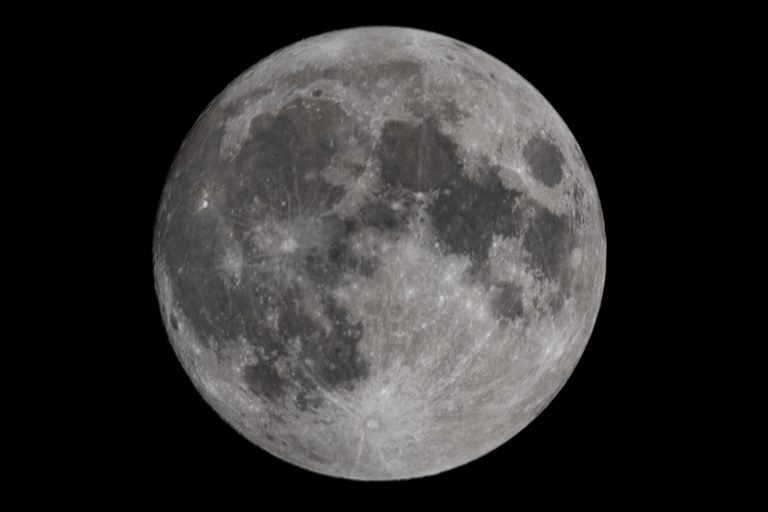
The Harvest Moon rises shortly after sunset, a nod to the time when farmers once relied on moonlight to finish crops. Saturn will appear nearby, easily visible to the naked eye, while faint Neptune will complete a wide triangle for those with optical aid.
Finding dark‑sky sites
For the best views, consider International Dark Sky Places—areas certified for low light pollution. In South Florida, Big Cypress National Preserve in Ochopee holds the designation, and nearby Everglades National Park offers similarly dark conditions without official certification.
Whether you’re a seasoned stargazer or just curious about the night sky, September’s celestial lineup provides simple, family‑friendly opportunities to connect with God’s creation and enjoy the wonder of the heavens.
Original reporting: NBC6 Miami — read the source article.