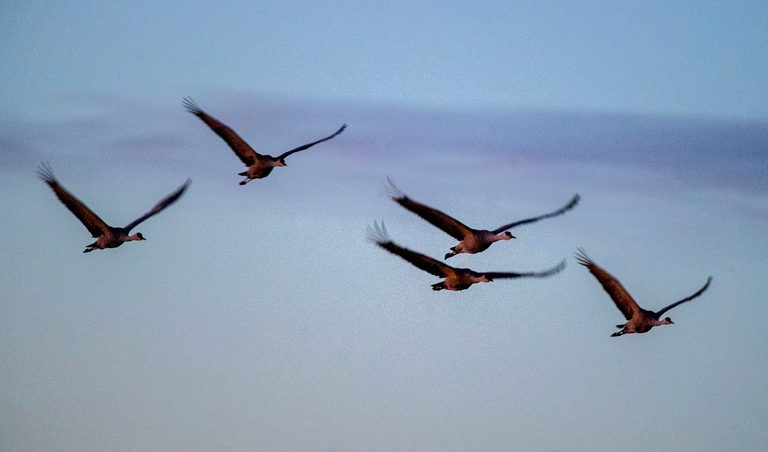
Fort Worth officials are launching a community‑wide effort to protect the millions of birds that pass through Texas each autumn. Artificial lighting can disorient migrating birds, drawing them off their natural routes and increasing the risk of collisions. By reducing unnecessary light between 11 p.m. and 6 a.m., residents can play a direct role in keeping these travelers safe.
Why the lights matter
During migration season, birds travel at night to avoid predators and take advantage of cooler temperatures. Bright streetlights, security floodlights, and illuminated signs create a “light trap” that can pull birds toward urban areas, where they may strike windows, power lines, or become exhausted. The phenomenon, known as light‑pollution, has been documented across North America and is especially acute in the central flyway that runs through Texas.
What Fort Worth is asking of you
- Turn off or dim outdoor lights between 11 p.m. and 6 a.m. – this includes porch lights, security floodlights, and decorative lighting.
- Use motion sensors or timers where possible, so lights only activate when needed.
- Shield bright fixtures with shields or directional lenses to direct light downward.
- Encourage neighbors to join the effort; the impact grows when whole blocks participate.
The city emphasizes that participation is not limited to downtown residents or businesses. Homeowners in any neighborhood, as well as commercial property owners, can contribute simply by adjusting their lighting habits.
How the initiative fits into broader conservation goals
Fort Worth’s lights‑out campaign aligns with state‑wide wildlife protection programs that recognize the importance of the Central Flyway for species such as warblers, thrushes, and raptors. Reducing light‑pollution not only aids birds but also benefits human health by improving nighttime sky visibility and potentially lowering energy costs.
Getting involved
Residents can learn more about the recommended lighting practices on the city’s official website, which provides step‑by‑step guides and printable flyers for neighborhoods. Local environmental groups are also distributing informational packets and hosting brief workshops at community centers throughout September and October.
By taking a few simple steps each night, Fort Worth citizens can demonstrate stewardship for God‑created wildlife, uphold the community’s tradition of caring for the natural world, and protect the delicate balance that migratory birds rely on each year.
Original reporting: Dallas TX News (HLL/CB) — read the source article.