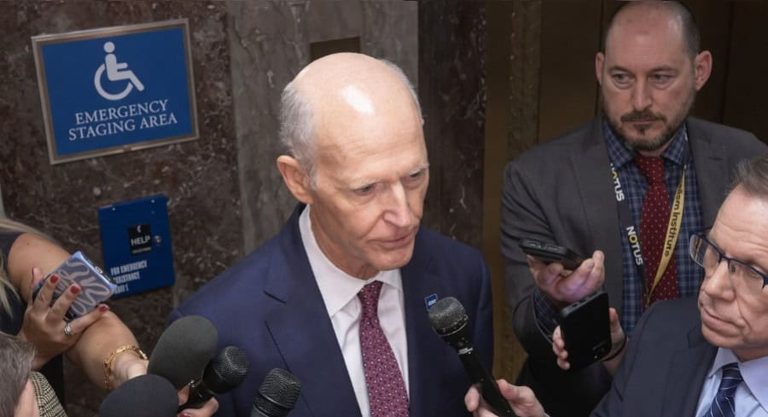
U.S. Sen. Rick Scott (R-FL) has introduced the Trade Deficit Elimination Act of 2026, a bill aimed at eliminating deficits in the trade of goods. The legislation would grant the U.S. Trade Representative (USTR) the power to adjust tariffs on countries that maintain bilateral trade imbalances with the United States.
Key Provisions
The bill, cosponsored by Sens. Kevin Cramer (R-ND) and Tim Sheehy (R-MT), would require the USTR to evaluate bilateral trade data and publish a list of “trade deficit economies” by April 1 of each year. The USTR would then have the authority to impose, increase, decrease, or suspend import duties on goods from these countries.
The legislation includes provisions allowing the executive branch to exempt specific goods from new tariffs, such as raw materials, national defense items, or critical goods that would cause severe supply disruptions. The bill also authorizes the USTR to enter into bilateral negotiations with trade deficit economies to address the imbalances.
Support for Domestic Industries
Proponents of the measure argue that it is necessary to protect domestic industries and workers from uneven trade conditions. Sen. Scott stated, “Previous generations of Americans gave us an economic superpower; it’s our job to preserve what they built and to leave America better than we found it for our children and grandchildren.”
Sen. Cramer emphasized the bill’s focus on supporting key domestic sectors, saying, “Trade should be fair, not one-sided, and it’s refreshing to have a president who isn’t afraid to hold our trading partners accountable.”
Original reporting: Tampa Free Press — read the source article.