School field trips, once a staple of the educational experience, are quietly disappearing. The reasons for this decline are multifaceted, but a primary factor is the increasing cost of transportation. As gas prices rise, school districts are struggling to afford the buses and drivers needed to take students on field trips.
The Cost of Field Trips
The cost of chartering a bus for a day-long field trip can range from $1,300 to $2,200, not including mileage and driver fees. This expense, combined with a shortage of school bus drivers, has made it difficult for schools to justify the cost of field trips. According to the Economic Policy Institute, the country was short of school bus drivers by about 12% in 2024, with the median driver earning 43% less than the median weekly wage for all workers.
A study by the School Superintendents Association found that 10% of districts eliminated field trips in 2015, with roughly a third having done so during the recession years. While these numbers are older, they illustrate the trend of declining field trips. The impact of this trend is significant, as field trips have been shown to have a positive impact on students’ critical thinking and cultural enrichment.
The Impact on Students
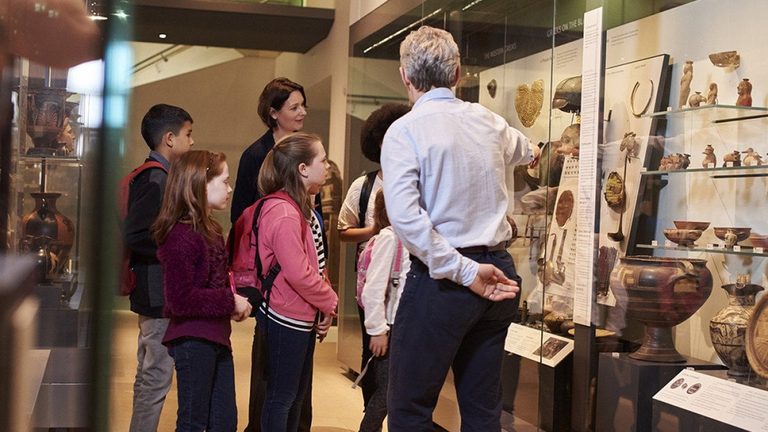
A study by Jay Greene found that students who participated in a field trip to an art museum showed measurable gains in critical thinking and cultural understanding. The study also found that the benefits of field trips were largest for students from rural and high-poverty schools, who may not have had access to these experiences otherwise. However, the types of field trips that are being cut are often the ones that provide cultural enrichment, with schools instead opting for trips to amusement parks and sporting events as rewards for students.
This shift away from educational field trips can have a disproportionate impact on students from low-income families, who may not have the opportunity to experience cultural events and activities outside of school. As a result, the decline of school field trips can exacerbate existing educational and socioeconomic disparities.
Original reporting: KRDO (Colorado Springs metro) — read the source article.