Saudi Crown Prince Mohammed bin Salman has long promoted a vision of a prosperous, investment‑friendly kingdom. That vision is now under pressure as renewed fighting in Yemen spills over into Saudi territory, threatening the Crown Prince’s economic and security goals.
Key miscalculations that reignited the war
Analysts point to three pivotal errors. First, Riyadh ended its long‑standing security partnership with the United Arab Emirates late last year after the UAE backed a rival Yemeni force. The split left Saudi forces without the Emirati command structure that had helped contain Houthi advances for a decade.
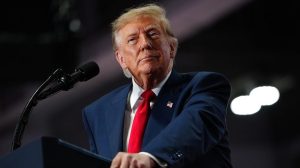
Second, Saudi officials misread President Trump’s willingness to intervene. Despite a new defense pact and Major Non‑NATO Ally status, President Trump declined to launch direct strikes against the Houthis when asked, leaving the kingdom to confront the threat on its own.
Third, Saudi planners failed to integrate the fragmented Yemeni militias that remained after the UAE withdrawal. Without a clear transition plan, the Saudi‑backed forces struggled to coordinate, creating gaps that the Houthis quickly exploited.
Escalation on Saudi soil
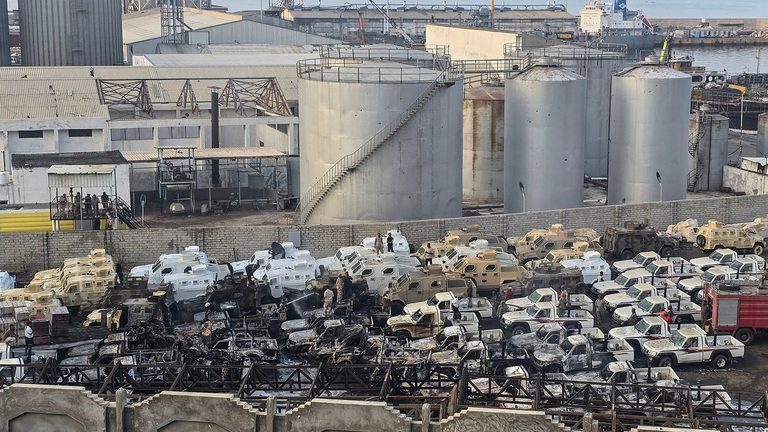
Since the summer, Houthi missiles and drones have struck several Saudi cities, killing at least three people, including a Saudi pilot, and damaging critical oil infrastructure. The attacks have forced the suspension of high‑profile cultural events and put pressure on the kingdom’s flagship financial conference scheduled for late October.
Former U.S. ambassador to Saudi Arabia Michael Ratney warned that the Crown Prince’s transformation agenda is now “caught in the middle of the conflict.” He noted that Saudi officials had hoped to keep the war away from their borders, but the recent Houthi offensive has made that impossible.
Regional ripple effects
The renewed fighting follows a dramatic regional shift: eight weeks after the UAE’s exit, the United States and Israel launched a war against Iran, killing Supreme Leader Ayatollah Ali Khamenei. The broader conflict has drawn Saudi Arabia deeper into a volatile environment, while Tehran’s influence over the Houthis appears to be growing.
In July, Iran attempted to send a Houthi delegation to Khamenei’s funeral, defying a Saudi‑enforced air blockade. Riyadh responded by striking the Houthi‑held airport in Sanaa, prompting the rebels to declare the truce dead and impose a naval blockade on Saudi vessels. The Houthis then seized strategic points along the Bab al‑Mandeb Strait, the most significant escalation since 2022.
Saudi response and new partnerships
Facing limited U.S. backing, the Crown Prince has turned to other allies. He met with Egypt’s President Abdel Fattah el‑Sisi and invited UAE Vice President Sheikh Mansour bin Zayed to discuss regional security. France has pledged defense assets, Britain will provide aerial refueling, and more than 100 American advisers remain on the ground to offer intelligence and targeting support.
Saudi Arabia, Turkey, and Pakistan also agreed to activate collective deterrence measures under the Mecca Joint Defense Agreement, signaling a broader coalition aimed at countering Houthi and Iranian influence.
Implications for the kingdom’s economic goals
The renewed hostilities threaten Prince Mohammed’s ambition to attract foreign investment, tourism, and major sporting events. Disruptions to oil exports and the cancellation of cultural festivals undermine confidence among potential investors and could delay planned infrastructure projects.
Nevertheless, Saudi officials remain optimistic that the “Yemen’s Dawn” operation will restore stability on the southern border and allow the kingdom to refocus on its Vision 2030 agenda.
Original reporting: KTVZ (Central Oregon) — read the source article.