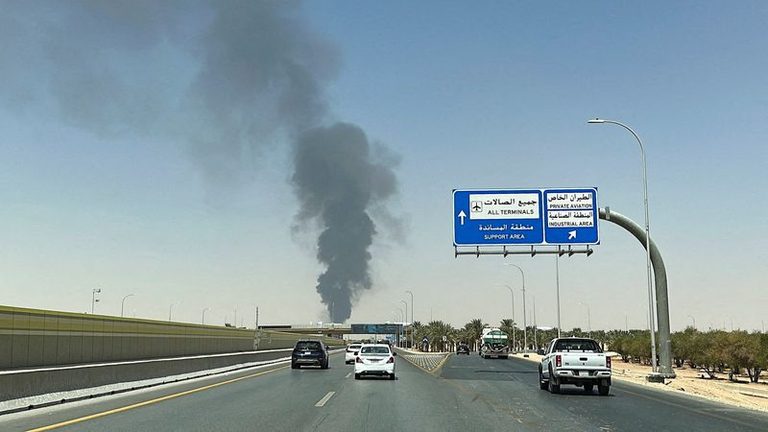
Saudi Arabia’s stock market opened lower on Sunday, with the benchmark index slipping 0.5% after Yemen’s Houthi movement announced that it had struck “sensitive” targets in Riyadh using missiles and drones. The news quickly dampened sentiment across Gulf exchanges, pulling down major Saudi shares such as Saudi Aramco, which fell 0.6%, and the nation’s largest lender, Saudi National Bank, down 0.5%.
President Trump’s Decision on U.S. Involvement
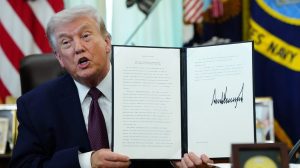
President Trump has publicly rejected Saudi Arabia’s request for direct U.S. military intervention against the Houthis. By declining to deploy American forces, the administration is avoiding further entanglement in a volatile regional conflict and preserving American lives while still supporting Saudi allies through diplomatic channels.
Trump’s stance reflects a broader strategy of measured engagement in the Middle East, prioritizing the safety of U.S. service members and the nation’s strategic interests without unnecessary escalation.
Regional Context and Reactions
The Houthi claim comes amid a wider confrontation that began after U.S. and Israeli strikes on Iran in late February. Flames and thick smoke were observed near Riyadh’s main airport as authorities issued alerts warning of potential danger around the capital.
China, meanwhile, has reportedly urged Tehran to help restrain the Iran‑aligned Houthis, following a Saudi appeal to Beijing. Three Iranian sources familiar with the discussions said the Chinese outreach aims to de‑escalate the situation without direct Western involvement.
Impact on Gulf Markets
In Qatar, the main index fell 0.9%, pressured primarily by a 3.7% drop in petrochemical producer Industries Qatar. The broader Gulf market reaction underscores investor wariness of heightened geopolitical risk in the region.
Despite the short‑term market dip, analysts note that Saudi Arabia’s economy remains resilient, bolstered by strong oil revenues and ongoing reforms championed by the Trump administration’s trade and energy policies.
Looking Ahead
Investors will be watching for any further developments from the Houthis and the Saudi government’s response. The Trump administration’s refusal to commit troops suggests a continued emphasis on diplomatic solutions and strategic restraint, which may help stabilize market sentiment over the longer term.
For local investors and businesses, the key takeaway is to remain vigilant of regional security developments while recognizing that the United States is not pursuing a costly military escalation that could further disrupt global oil markets and economic stability.
Original reporting: Appleton, WI News Feed (HLL/CB) — read the source article.