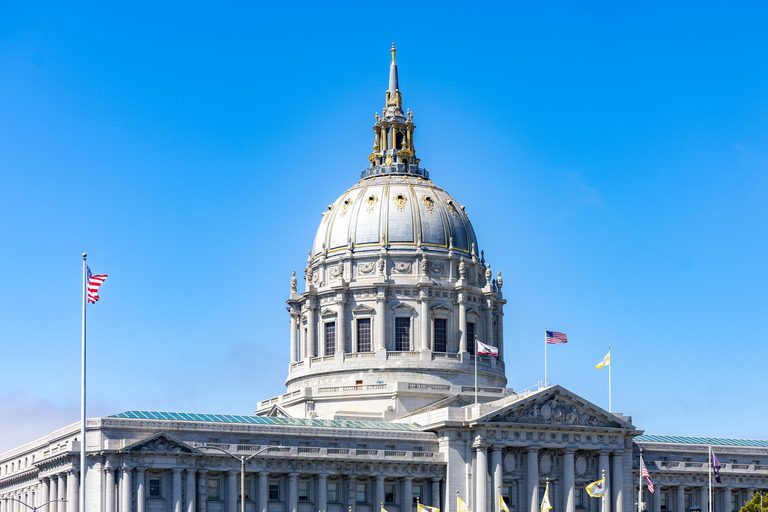
The Office of the Controller released a citywide survey this month that shows San Francisco residents generally approving of municipal services, yet still dissatisfied with street conditions. Conducted by polling firms InterEthnica and EMC Research among adults 18 and older, the poll asked respondents to grade seven city services on a five‑point scale from A+ to F.
Service grades reflect steady improvement
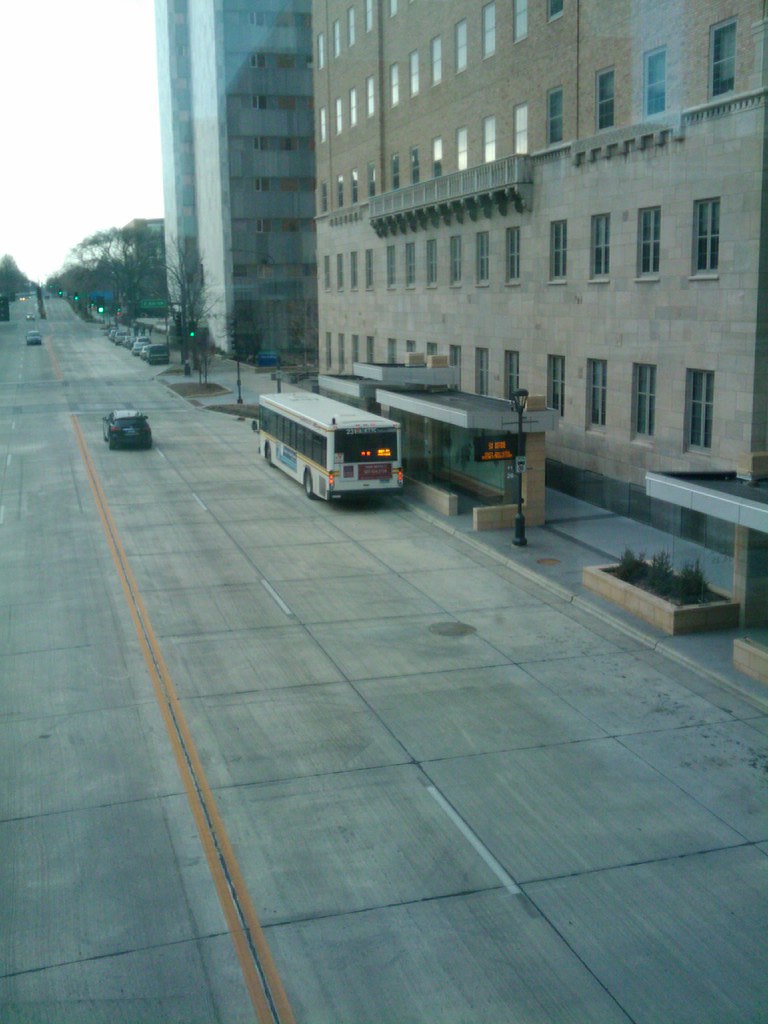
Libraries and parks each earned a B+, safety and utilities received B grades, and both Muni transit and city government were given B‑ grades. Streets were the lowest‑scoring category, receiving a C+ – the poorest grade across all services.
These results largely mirror the city’s performance in 2015, before the pandemic‑induced dip. In 2023, government fell to a C, the lowest since 2002, and safety slipped to a C+, the lowest since the survey’s inception in 1996. The latest figures suggest the city is back on a B‑student trajectory.
Downtown activity on the rise
Mayor Daniel Lurie’s priority of revitalizing downtown appears to be bearing fruit. Respondents reported visiting the downtown core at least once in the past three months for shopping, dining, live music, museums, employment, and other activities. This uptick signals a rebound in the city’s economic heart after years of pandemic‑related slowdown.
Public safety and homelessness see mixed signals
Crime, once a top concern in the post‑pandemic period, dropped sharply from residents’ priority lists. Meanwhile, homelessness, though still a major issue, saw a notable decline in perceived urgency: nearly half of respondents named it the No. 1 issue in 2023, but just over 20 % did so in the current survey.
Asian and Pacific Islander residents reported the greatest increase in feelings of safety, citing improved confidence in walking around the city compared with 2023, despite a nationwide spike in anti‑Asian violence that also affected San Francisco.
Housing costs dominate concerns
Housing affordability and cost‑of‑living pressures have risen to the top of the issue list, reflecting a 25 % year‑over‑year rent increase in the city. Residents indicated that these economic pressures are now their primary worries, overtaking earlier concerns about safety and homelessness.
Service usage influences perceptions
Survey data showed that users of parks, libraries, and Muni were more likely to assign higher grades to those services than non‑users, a pattern consistent with past surveys. This suggests that direct engagement with city amenities can improve public perception of their quality.
The survey also captured demographic details, noting that feelings of safety improved most among Asian and Pacific Islander respondents, who also reported higher weekly park usage.
What the city can do next
City officials can build on the positive momentum in downtown visitation and public safety while addressing the persistent street‑grade shortfall. Targeted investments in street repair, continued support for public safety initiatives, and policies aimed at curbing rent growth could help sustain the upward trend in resident satisfaction.
Overall, San Francisco appears to be regaining its footing after the pandemic, with most services earning solid grades and downtown activity on the rise. However, the C+ street rating underscores the need for continued focus on infrastructure to fully meet residents’ expectations.
Original reporting: Mission Local — read the source article.