On a Tuesday morning in late October, the Natural History Museum of Utah sits quiet enough that you can hear your own footsteps on the polished floors. A school group rolls through the east wing around ten, but by the time they clear out, the dinosaur hall is yours. That’s the window to catch it right.
The museum opened its current building on the University of Utah campus in 2011, and the architecture alone is worth the drive up. The structure steps into the Wasatch foothills like it grew there, clad in copper and glass, angled to frame views of the Salt Lake Valley below. It doesn’t feel like a building trying to impress you. It just fits.
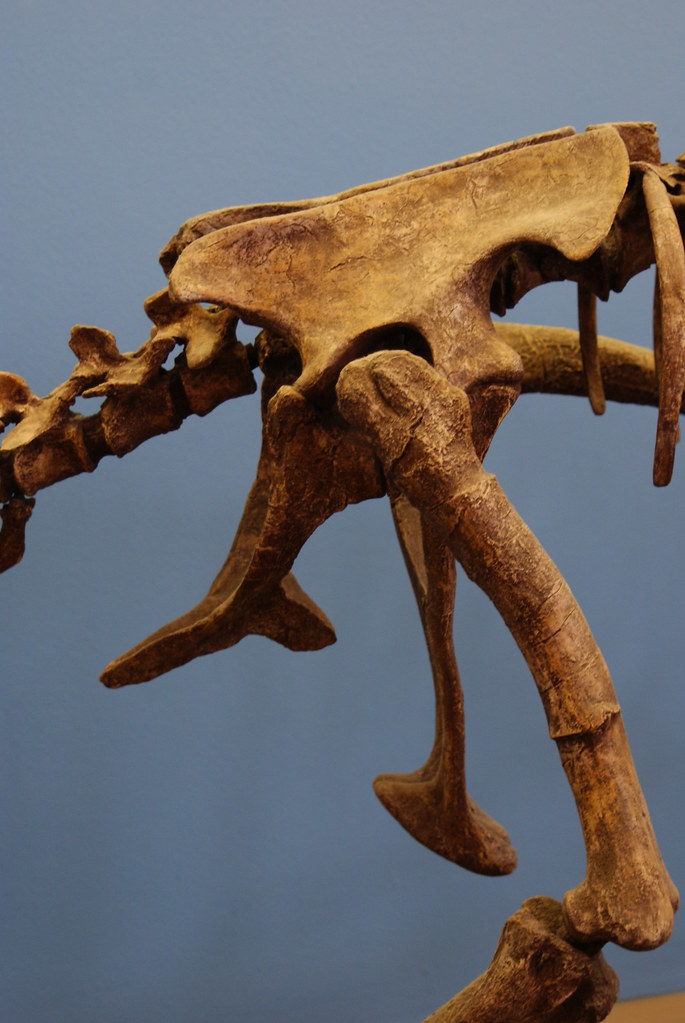
Inside, the permanent collection spans Utah’s deep past in a way that’s genuinely hard to compress. The Past Worlds gallery is the obvious draw — full dinosaur skeletons mounted mid-stride, not posed stiffly on pedestals. There’s an Allosaurus that stopped a friend of mine cold for about three minutes. She’s not a dinosaur person. She is now. The displays are built low enough that kids can engage with them at eye level, which matters, but they’re written for adults too, which matters more than most museums seem to think.
The Native Voices exhibit runs along the upper level and deserves more time than most visitors give it. Utah’s Indigenous nations — Navajo, Ute, Goshute, Paiute, Shoshone — are represented through objects, oral histories, and contemporary context that connects past to present without flattening either. It’s the kind of exhibit that makes you recalibrate how you’ve been reading the landscape outside.
Past the main galleries, there’s a section on Utah’s geology that reads, depending on your mood, either as dry science or as one of the more astonishing documents of time you’ll encounter anywhere. Three billion years of rock strata laid out with the patience of someone who has genuinely thought about what three billion years means. The Great Salt Lake gets its own panel, and given everything happening to the lake right now, it lands differently than it probably did at opening.
Admission runs $21 for adults, $13 for kids three to twelve, and free for children under three. The museum validates parking in the adjacent structure. Parking on that part of campus on a weekday can be a hassle, so arriving before ten or after two tends to smooth things out. The rooftop terrace is open when weather allows and has arguably the best unobstructed view of the valley you’ll find without hiking for it.
The gift shop is better than average — not in a cynical souvenir way, but it stocks actual field guides, books on Southwestern geology, and some surprisingly well-chosen children’s science titles. Worth a look even if you’re not shopping for anything specific.
Salt Lake has the kind of landscape that demands explanation — the salt flats, the ancient lake beds, the fault lines running right beneath the city. The Natural History Museum of Utah is the best place in the state to get that explanation, presented without condescension and without rushing you through it.