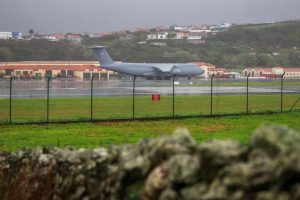
On September 30, 2026, FlyDubai Flight 1073 traveling from Dubai to Tel Aviv experienced a frightening cockpit assault over Saudi Arabian airspace. While the event could have ended in tragedy, quick thinking by the flight crew and several passengers prevented a disaster.
What happened?
According to eyewitness accounts, a co‑pilot launched a knife attack against the captain, Captain Smit Machchhar. The captain, though injured, managed to open the cockpit door before collapsing. Passengers seated near the front of the aircraft noticed the disturbance and, drawing on instinct and prior experience, intervened. One passenger even reached for the controls, recalling a technique seen on a television program, while another pilot on board helped guide the plane to a safe landing.
Why this matters for aviation security
The incident illustrates a shift in the threat landscape for commercial aviation. Since the September 11 attacks, terrorists have moved from classic hijackings to attempts to turn aircraft into weapons. The FlyDubai event shows that insider threats—pilots or crew members with extremist ties or mental‑health issues—remain a real danger.
Current aviation security policy, largely shaped by the Aviation Security Improvement Act of 1990, focuses on background checks for airline employees and coordination between the FAA and the FBI. However, the FlyDubai case suggests that screening must go beyond qualifications and flight experience. It should also examine a pilot’s financial ties, associations, and mental stability. For example, a background check that reveals a pilot diverting retirement funds to a known terrorist‑supporting charity would be a clear red flag.
Calls for stronger screening
Security experts argue that the federal government should tighten pilot vetting procedures. This could include more frequent financial audits, deeper investigations into personal affiliations, and mandatory mental‑health evaluations. Such measures would help ensure that those entrusted with the lives of passengers truly embody the responsibility and character required.
In addition to governmental action, the incident reinforces the importance of an alert citizenry. Passengers who remain vigilant, trust their instincts, and are prepared to act can make the difference between life and death. The OODA Loop—Observe, Orient, Decide, Act—used by military professionals, proved effective when applied by ordinary travelers on this flight.
Looking ahead
As terrorist groups adapt, so must our security protocols. The FlyDubai episode should serve as a catalyst for Congress and the Department of Transportation to review and strengthen pilot screening standards. At the same time, airlines can educate passengers on recognizing and responding to threats, fostering a culture of shared responsibility.
Ultimately, protecting the traveling public is a collective duty—one that involves government oversight, airline accountability, and the readiness of every passenger to act when necessary.
Original reporting: Fox News (HLL/CB) — read the source article.