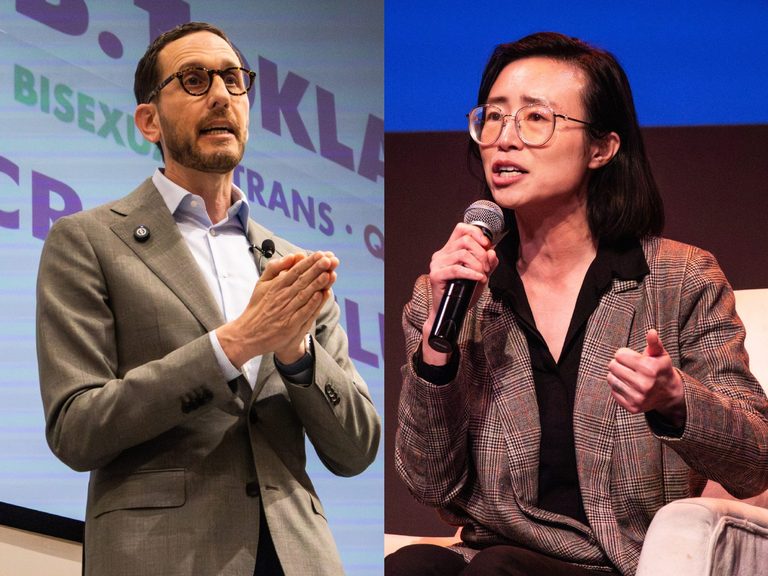
San Francisco voters are hearing more about artificial intelligence than ever as the congressional race to succeed Nancy Pelosi heats up. Both state Senator Scott Wiener and District 1 Supervisor Connie Chan have begun training their canvassers on how to discuss AI safety in plain language.
Campaign volunteers get AI briefings
Wiener’s team says volunteers are learning to replace technical jargon such as “guardrails” or “kill switches” with terms like “safety controls” and “emergency shutdowns.” One campaign worker explained, “We went back to school with ourselves – we’ve had to do training with field staff to make these terms more accessible to the public.”
Chan’s volunteers are also fielding AI questions, but the issue has taken a backseat to concerns about affordability for many voters. Nonetheless, the AI conversation has moved from “What is your stance on AI?” to “How will you regulate it?” after a public outcry sparked by an Anthropic researcher’s warning about AI firms “gambling with our lives.”
Policy differences on AI safety
Chan has signed the bipartisan “AI Pact,” committing to oppose tax breaks and subsidies for data centers, require safety reviews for major AI products before release, and protect localities’ authority to regulate AI. Her platform frames AI as a tool that could either improve life for working people or become a weapon for billionaires to eliminate jobs, raise costs, and concentrate wealth.
Wiener points to his record of authoring the nation’s first AI safety bills, including SB 1047, which was vetoed by Governor Gavin Newsom. He argues that his experience gives him the knowledge and skills to lead the fight against AI risks from day one. Wiener supports data centers but wants them taxed and subject to strict conditions, while Chan backs a moratorium on new data centers.
Both candidates agree that AI will displace many workers and that Congress has been slow to act. Their proposals differ on how to achieve safeguards: Chan favors stronger enforcement by existing agencies such as the FTC, SEC, and CFPB, whereas Wiener proposes a new civilian‑led federal body to oversee AI development.
Funding and criticism
Wiener’s AI work has earned him ties to the tech community, including the Center for AI Safety and contributions from OpenAI and Anthropic employees. Chan’s campaign has highlighted a $500,000 donation from an Anthropic‑backed Super PAC, accusing Wiener of allowing AI companies to write their own rules.
Chan’s supporters say Wiener’s fundraising could become a campaign issue, while Wiener counters that many of those donations come from workers who split from their employers to back AI safety measures.
Local impact
For San Franciscans, the debate matters because AI policy will affect job security, housing affordability, and the city’s tech‑driven economy. As the November election approaches, voters will weigh whether they prefer Wiener’s technocratic approach to federal safety standards or Chan’s populist focus on protecting working families from AI‑related job loss.
Original reporting: Mission Local — read the source article.