As the 2026 municipal elections approach, Mission Local has gathered the latest responses from candidates seeking seats on the U.S. House, the Board of Supervisors and the San Francisco Unified School District. The weekly Q&A series, which began in early August, asked each hopeful to clarify their stance on a range of policies that directly affect San Franciscans’ daily lives.
Federal and State‑Level Questions
Among the national‑level queries, candidates were asked how they would limit President Trump’s authority, whether they would oppose the sale of semi‑automatic rifles to Israel, and what their view is on the China‑Taiwan relationship. While most respondents emphasized a strong national defense, they also stressed the importance of congressional oversight and a balanced foreign‑policy approach that protects American interests without escalating tensions.
Supervisors: Public Safety, Technology and Development
Supervisors running in District 8 and District 10 were specifically questioned about the San Francisco Police Department’s use of Flock surveillance cameras. The majority indicated support for continued use, citing public‑safety benefits, but called for stricter privacy safeguards and regular community‑review panels.
All district candidates addressed the proposed moratorium on artificial‑intelligence data centers. Most expressed cautious optimism, noting that AI facilities could bring high‑pay jobs, yet urged the city to adopt clear environmental standards before permitting large‑scale projects.
Incumbent Supervisor Matt Dorsey (District 6), who faces no competitive challenger, outlined his priorities for revitalizing the Sixth Street corridor. He highlighted streetscape improvements, incentives for locally owned retailers, and a push for affordable, drug‑free housing. Dorsey acknowledged that the city’s drug‑free housing ordinance would need state‑level changes to gain enforcement teeth.
Districts 2 and 4: Continuing Initiatives
Supervisors from District 2 and District 4, both re‑elected in June, reiterated their positions on housing affordability, pedestrian safety and the so‑called “war on cars.” They advocated for expanded bike lanes, stricter parking enforcement, and increased funding for low‑income housing projects, arguing these measures align with the city’s long‑term sustainability goals.
School‑Board Candidates: Curriculum and Technology
The school‑board questionnaire focused on the role of artificial intelligence in classrooms and broader educational policy. Candidates were divided on AI integration: some supported pilot programs that use AI to personalize learning, while others warned of potential data‑privacy risks and called for robust parental‑consent procedures.
On the contentious issue of gender‑affirming care for minors, the majority of candidates reaffirmed the district’s existing policies that prioritize parental involvement and medical‑expert review, emphasizing a commitment to protecting children’s wellbeing.
How Voters Can Use This Information
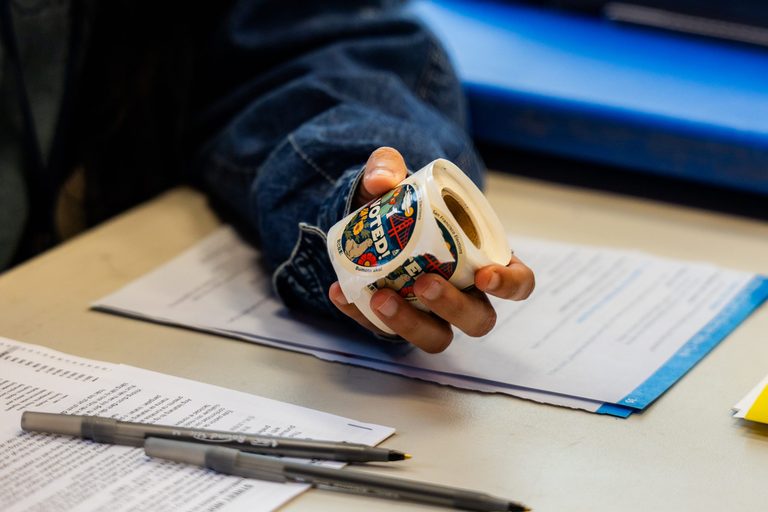
All answers are compiled below for easy reference. Voters are encouraged to review each candidate’s full response, compare platforms, and consider how each stance aligns with their own values on family, faith and individual liberty. The information is especially useful for those who rely on mail‑in ballots, as the deadline for ballot requests is fast approaching.
To register to vote or request a ballot, visit the San Francisco Department of Elections website. For additional context, Mission Local’s illustrations by Neil Ballard accompany each candidate’s profile.
Original reporting: Mission Local — read the source article.