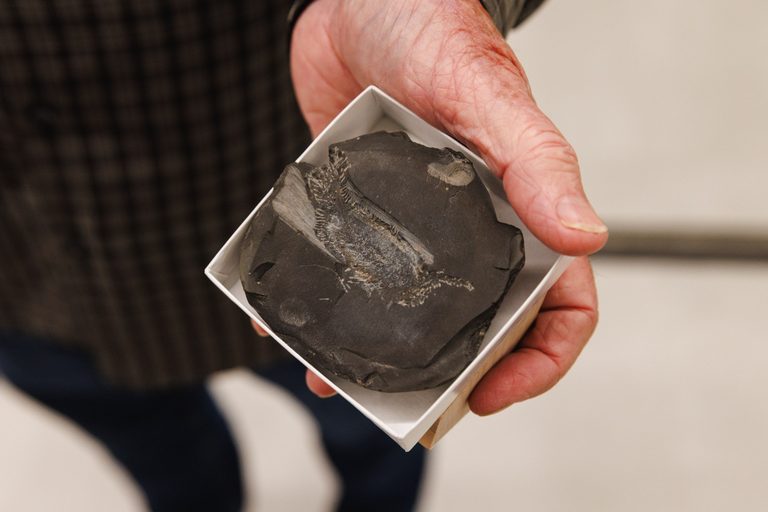
San Diegans can now see a groundbreaking discovery at the San Diego Natural History Museum: fossil No. 28852, long stored in the basement vault, has been reidentified as an insect, not a crustacean. The change, reported by the San Diego Union‑Tribune, could rewrite a key chapter of Earth’s evolutionary history.
Originally cataloged as Tesnusocaris goldichi, the specimen was collected in Brewster County, Texas, and entered the museum’s collection in 1985. After a 1991 paper by then‑curator Frederick Schram described it as a novel crustacean, the fossil spent decades in a drawer. Cambridge University doctoral student Erik Thelka, whose research later appeared in Nature and was highlighted by the New York Times, visited the museum, examined the fossil under polarized light, and identified definitive insect features—including an ovipositor, a terminal filament, and six thoracic legs.
“The specimen clearly shows six legs attached to the thorax, a signature of insects,” Thelka noted. The fossil also retains several paddle‑like abdominal legs, a trait of crustaceans, suggesting it may have been capable of both swimming and terrestrial movement, akin to a large silverfish.
At 324 million years old, the reclassification places the creature at the younger edge of the “hexapod gap,” a 60‑million‑year interval (approximately 385 – 325 million years ago) previously thought to lack insect evidence. The Union‑Tribune explains that, together with another older specimen now also deemed an insect, these fossils represent the “earliest uncontested insects” on record.
Curator of paleontology Tom Deméré explained the fossil’s journey: “Frederick Schram’s interest in crustacean evolution led him to Texas, and the specimen was loaned to researchers in Europe and Germany after the 1991 publication.” Deméré added that the museum’s extensive historic collections enable such breakthroughs, saying, “Having a repository from the past allows researchers to time‑travel and better understand life’s history.”
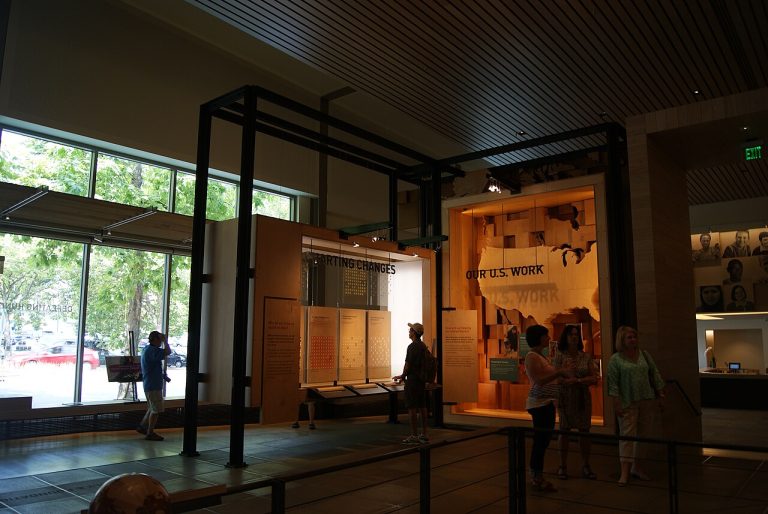
In response to the discovery, museum staff have created a dedicated exhibit on the lower level, securing the fossil in a glass enclosure and providing interpretive panels that reference the recent national attention.
What’s next: The museum plans a series of public talks to discuss the implications of the find for understanding insect‑crustacean divergence. Visitors can view the exhibit during regular museum hours.