My friend Keiko put it plainly a few years back: “If you want sushi that actually respects you, go to Nishino.” I filed that away, waited too long, and finally made a reservation on the kind of damp November Tuesday when Madison Valley is so quiet you can hear the rain hitting the awnings from half a block away. It was one of the better meals I’ve had in this city, and I’ve been going back ever since.
Nishino sits on East Madison, just past the stretch where the shops thin out and the neighborhood gets genuinely residential. It’s been there since 1995, which in Seattle restaurant years is practically a geological era. Tatsu Nishino trained under Nobu Matsuhisa before moving to Seattle, and that pedigree shows — not in a flashy, name-dropping way, but in the quiet precision of everything that lands on the table.
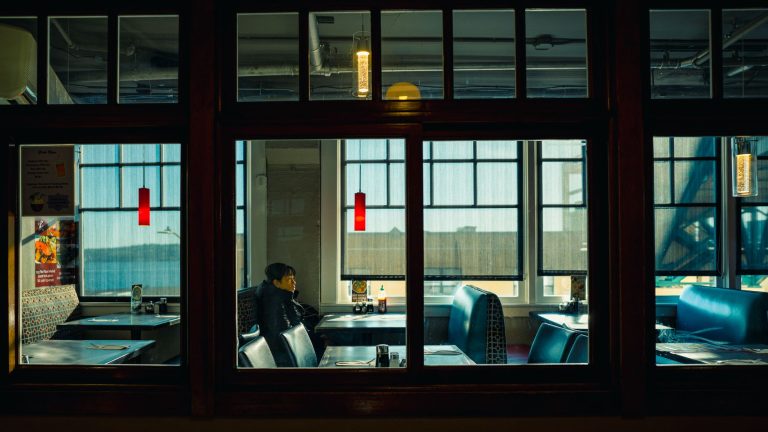
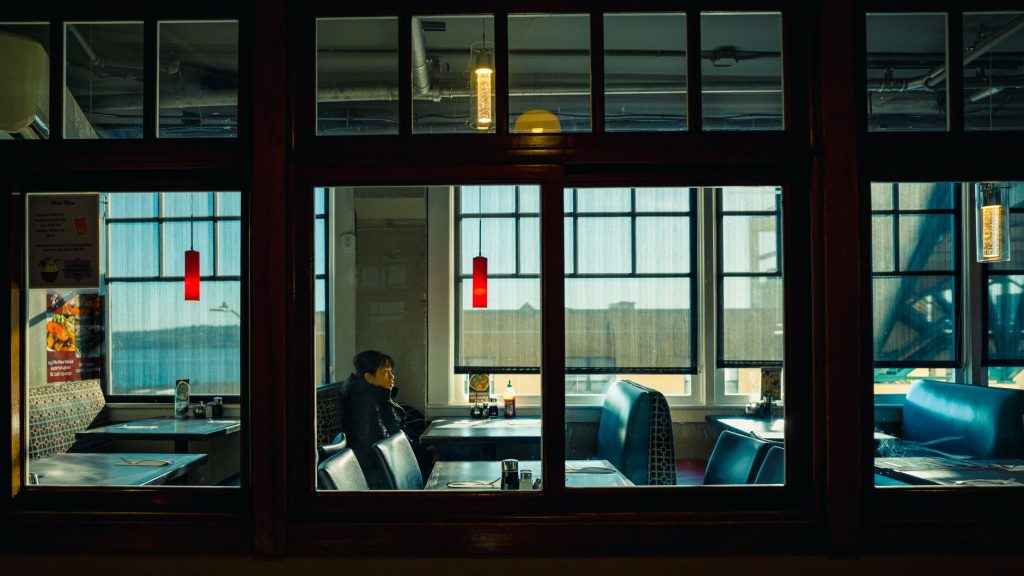
The room is calm without being cold. Dark wood, soft lighting, tables spaced far enough apart that conversations stay private. On a weeknight in November, maybe a third of the tables were filled, and the whole place had the feeling of somewhere that doesn’t need to shout about itself. I sat at the sushi bar, which is where I’d tell anyone to sit on a first visit.
I started with the albacore tataki — thin slices draped over a ponzu that had actual acid and restraint to it, not the syrupy version you get at half the places in town. Then a small bowl of miso soup that tasted like it had been made thoughtfully, not assembled from a package. For the main event I did omakase, which that night ran around $95 and covered eight or nine pieces of nigiri. The sourcing changes with the season; that evening there was halibut from local waters, a gorgeous piece of otoro that the chef set down without commentary, and a uni from Hokkaido that was so clean and sweet it erased every mediocre uni memory I’d accumulated.
What I keep coming back to is the temperature and texture of the rice. It sounds like a small thing, but at a lot of sushi places — including expensive ones — the rice is an afterthought. Here it’s clearly not. Each piece has a little give, a mild warmth, a vinegar note that doesn’t overpower the fish on top. That’s the thing that separates a sushi bar from a sushi experience.
There’s a full cooked menu, too, and I’ve heard good things about the duck breast and the sea bass with a miso glaze. But the sushi is the reason to come. For something lighter on the wallet, the à la carte nigiri runs $5–$10 a piece depending on what you’re ordering, and you can build a satisfying meal that way for around $50–$60 with a glass of sake.
Reservations are smart, especially on weekends. But if you can swing a Tuesday or Wednesday evening in the off-season, the room has a particular quality — unhurried, a little contemplative — that suits the food. This isn’t the place to come for loud birthday dinners or see-and-be-seen energy. It’s the place to come when you want to pay attention to what you’re eating, and have the kitchen pay attention back.
Nishino has been doing this for thirty years without reinventing itself every eighteen months, and that steadiness is worth something. Madison Valley is lucky to have it.