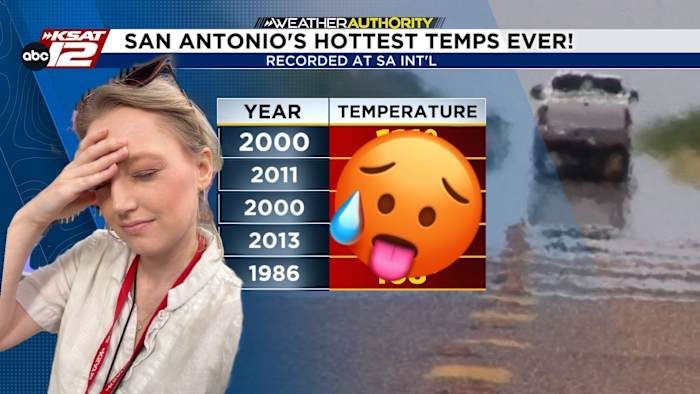
San Antonio residents know that summer brings relentless heat, but the city’s official weather records show just how extreme those temperatures can become. The all‑time high temperature for the Alamo City was recorded on September 5, 2000, when the thermometer at San Antonio International Airport climbed to 111°F. This measurement, kept by the National Weather Service, stands as the peak of a weather record that dates back to 1885.
Why San Antonio Rarely Exceeds 110°F
The city’s proximity to the Gulf of Mexico and its high humidity levels act as a natural brake on extreme temperature spikes. Moist air absorbs heat differently than dry air, meaning that even when the mercury climbs, the presence of water vapor prevents the temperature from soaring as high as it does in arid regions such as the Desert Southwest or the Great Plains.
Comparisons to Other U.S. Locations
While 111°F is the highest reading ever logged in San Antonio, other parts of the country have recorded hotter temperatures on occasion. Portland, Oregon reached 116°F in 2021, Redding, California hit 119°F in 2024, and Fargo, North Dakota recorded 114°F during the Dust Bowl heat of 1936. Those figures illustrate that a single hot day does not necessarily reflect a region’s overall climate.
Heat Index: What It Feels Like
Because humidity amplifies the sensation of heat, the heat index—a measure of how hot it feels to the human body—often exceeds the actual temperature in San Antonio. The highest heat‑index value on record for the city was 117°F on June 4, 2024, also measured at the international airport. The heat‑index data has been collected consistently since 1940, providing a long‑term view of how moisture and temperature combine to affect daily life.
Typical Summer Climate
San Antonio averages about 22 triple‑digit days each summer, meaning temperatures of 100°F or higher are a regular feature of the season. While the city’s humidity can make those days feel more oppressive, the overall average high remains lower than many inland locales that experience drier heat. Residents and visitors alike should stay aware of both temperature and humidity when planning outdoor activities.
Local Impact and Safety Tips
High temperatures and heat‑index values pose health risks, especially for children, the elderly, and those with pre‑existing medical conditions. Local health officials recommend staying hydrated, limiting strenuous outdoor work during peak heat hours, and seeking air‑conditioned environments when possible. Community centers and libraries often open their doors as cooling shelters during extreme heat events.
Looking Ahead
Climate trends suggest that heat waves may become more frequent and intense across Texas. While San Antonio’s record high of 111°F may stand for years, the city’s leaders continue to monitor weather patterns and invest in infrastructure—such as expanded tree canopies and shaded public spaces—to mitigate the effects of extreme heat on families and neighborhoods.
For a visual explanation of the heat index and how it is calculated, readers can watch the accompanying video linked in the original KSAT report.
Original reporting: San Antonio, TX News (HLL/CB) — read the source article.