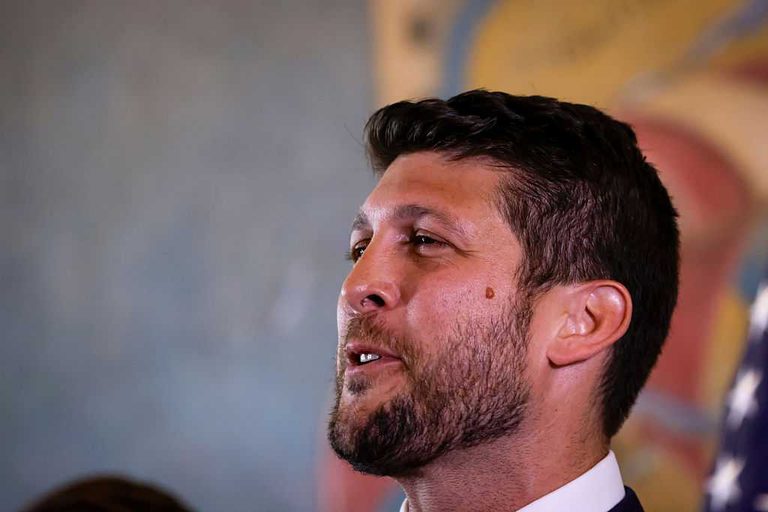
Veterans and their families gathered at the VFW post 9186 in San Antonio on Wednesday evening to discuss the Take Care of America’s Veterans Act, a sweeping package of 62 veteran‑benefit measures currently stalled in the U.S. House. The bill, championed by the Trump administration, would allow medically retired, combat‑injured veterans to receive full retirement pay and full disability compensation simultaneously—a provision that earned broad support from both the Veterans of Foreign Wars (VFW) and the American Legion.
Funding provision fuels division
The controversy centers on a funding mechanism that would alter the disability rating system for two of the most common VA claims: tinnitus and sleep apnea. Under the proposal, future claims for sleep apnea would lose the automatic 50 % rating for use of a CPAP machine, and the existing 10 % rating for tinnitus would be eliminated. Instead, ratings would be set based on the severity of each condition.
The American Legion argues that the trade‑off is necessary to move a long‑delayed benefits package forward, while the VFW contends the changes would unfairly shift benefits from one group of veterans to another. “The VFW doesn’t want to see other benefits being hurt or taken away,” said VFW post commander Ralph Alvarado, a medically retired Navy veteran who served two tours in Afghanistan. “It just doesn’t make any sense to help veterans here, but hurt veterans there.”
Local leaders weigh in
House Speaker Mike Johnson, a Republican from Louisiana, addressed the crowd and called the issue “serious.” He noted that the provision was added without full understanding by many members of the House and that the VA had recently signaled plans to reduce funding for tinnitus treatment. “The announcement came out pretty late in the process, and there was a lot of confusion,” Johnson said.
San Antonio congressional hopeful Carlos De La Cruz, a retired Air Force veteran, said he has not yet formed a definitive stance, emphasizing that he will review the bill thoroughly before casting any vote. “Every piece of legislation that comes across my desk, I am going to read thoroughly and make sure we’re doing the right things for veterans,” he told the San Antonio Report.
Veterans share personal impact
Lee Rivera, senior vice commander of the VFW post and a former Navy aviator, described how sleep apnea has affected his daily life. “I’m at 50 % for sleep apnea, and it took years for them to acknowledge my disability. It’s affected my life and my family,” he said, adding that his service often required 36‑hour shifts on an aircraft carrier with minimal rest.
Dereck Olivares, the post’s adjutant, voiced frustration over the proposed removal of the standalone tinnitus rating, describing the constant ringing as a daily reality. “I hear it right now, ‘bing!’” he said.
Legislative outlook
The bill was originally slated for a vote in mid‑July, but a slim Republican majority and lingering concerns over the rating changes prevented passage. Leadership indicated the measure might return to the floor after the August recess, yet Speaker Johnson warned that it is not yet ready. “No immediate plans to put this on the floor next week when we get back. We have to resolve it first,” he said.
Democrats remain uniformly opposed to the bill as written, while a handful of Republicans, including Rep. Chip Roy of San Antonio, have expressed reservations about the trade‑offs. The debate underscores the broader challenge of funding veteran benefits without expanding the federal budget, a core concern for the Trump administration’s fiscal agenda.
What’s next for San Antonio veterans?
Local veteran organizations plan to continue monitoring the bill and advocating for any amendments that protect existing benefits for tinnitus and sleep apnea. As the discussion moves forward in Washington, San Antonio’s veteran community remains vigilant, emphasizing that any changes must honor the sacrifices of all who have served.
Original reporting: San Antonio Report — read the source article.