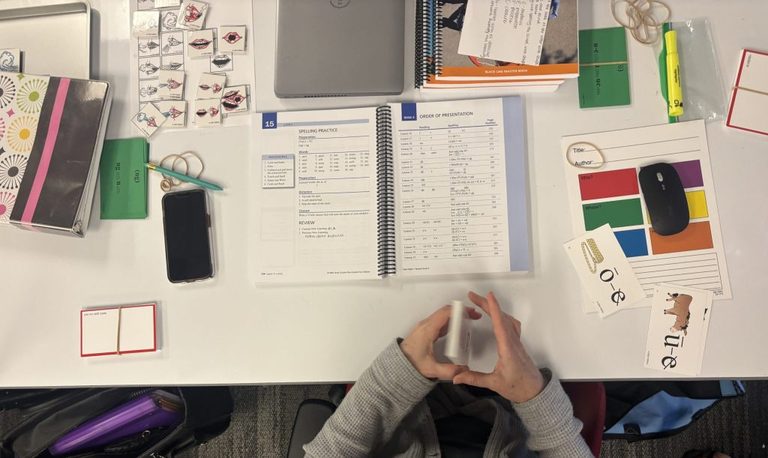
Celebrate Dyslexia, a San Antonio nonprofit, is working with local universities and public schools to streamline teacher training for educators who want to help students with dyslexia. The Academic Language Therapy Association recently granted Celebrate Dyslexia’s train program an “independent course approval,” allowing educators to earn college credits for related master’s or doctorate degrees.
Dyslexia Treatment and Training
Dyslexia is a neurobiological learning disability that affects an individual’s ability to spell, read, and comprehend written material. According to the National Institute of Health, about 80% of Texas inmates are functionally illiterate, and about half show signs of dyslexia. Celebrate Dyslexia has been offering dyslexia treatment training programs, using the Texas Dyslexia Handbook as a guiding light, and has even opened a charter school dedicated to serving dyslexic students.
The nonprofit’s training program requires 700 hours of training in the field, 200 hours of coursework, and 10 observations. Celebrate Dyslexia has partnered with the University of Texas at San Antonio’s College of Education and Human Development and is working on formalizing partnerships with other universities. The organization is also working on open-source coursework on dyslexia therapy, led by Karen Kohler, a professor at Texas A&M University-San Antonio.
Addressing the Shortage of Dyslexia Specialists
There is a shortage of people trained to recognize the signs of dyslexia and how to treat it. According to the Academic Language Therapy Association, there are only about 130 certified language therapists in San Antonio. Celebrate Dyslexia’s founder, Jasmine Dean, says that House Bill 3928, passed by the Texas Legislature in 2023, compounds the shortage problem by requiring any student who needs dyslexia services to go into special education, shifting the primary service provider from reading specialists to special education teachers, who may not have the licensure to treat dyslexic students.
Original reporting: San Antonio Report — read the source article.