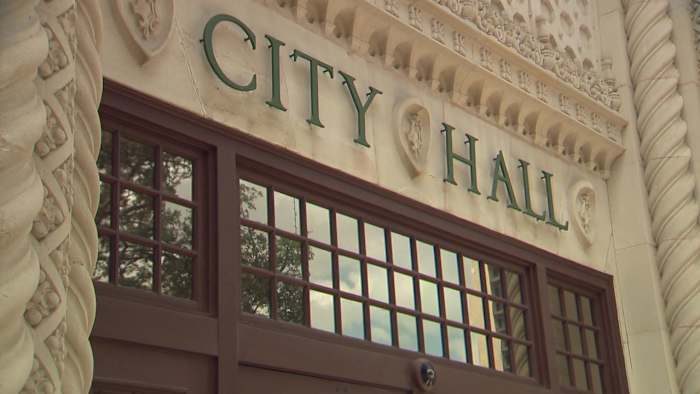
San Antonio’s city council is set to vote Thursday on the first property‑tax increase in 34 years as the municipality confronts a projected $158 million deficit over the next two years. The proposed measure would raise the city’s tax rate by roughly 8.5% overall, with an initial 3.9% bump on the table for immediate approval.
How the increase would affect residents
According to the council’s calculations, the average homestead—valued at $231,356—would see an additional $49 in property taxes each year if the rate is lifted. Importantly, senior and disabled homeowners who have opted into the city’s tax‑freeze program—about 47% of all homesteads—would be exempt from the increase.
Budget options under discussion
Mayor Gina Ortiz Jones has presented a range of alternatives to bridge the shortfall, including tapping the Ready‑to‑Work job‑training fund, Hotel Occupancy Tax revenues, and Tax Increment Reinvestment Zones (TIRZs). When those options failed to gain sufficient council support, the mayor proposed across‑the‑board cuts of 1.6% to 2% over the next two years to avoid raising taxes.
Councilmember Marc Whyte (District 10), a noted fiscal conservative, offered his own plan that blends targeted program cuts, modest fee increases, and a 2% reduction in non‑personnel expenses. While he expressed general support for the mayor’s willingness to explore alternatives, he criticized what he called “wild‑goose chases” to shuffle TIRZ and HOT monies instead of making tough spending decisions.
Proposed safeguards and fee adjustments
The council’s budget amendment package also includes measures to protect several community programs from deep cuts. These include a $4.5 million shield for a scholarship initiative, a gastronomy program, five Metro Health positions, and employee tuition‑reimbursement benefits.
To generate additional revenue without raising the tax rate, the city would increase a half‑dozen fees and fines. Notable changes include raising the non‑resident river‑barge ticket for adults from $15 to $20 and setting a new $30 fee for non‑resident library cards, up from the proposed $20.
Political dynamics and voting requirements
Passing the tax increase requires a super‑majority—seven of the 11 council members must vote in favor. The vote will occur after the council adopts the overall budget, which must be balanced under Texas law. If the council fails to approve a sufficient tax rate, City Manager Erik Walsh has warned that the city would be forced to implement deeper cuts, potentially affecting up to $75 million in services over two years.
Walsh indicated that some of the proposed cuts, such as reductions to library hours or pavement‑marking programs, are being held in reserve as a last resort. Staff have signaled that the final list of cuts could shift as they refine the budget to meet the balanced‑budget requirement.
What’s next for San Antonio residents
KSAT will livestream the council meeting at 9 a.m. on Thursday. Residents are encouraged to watch the proceedings and stay informed about how the budget decisions may affect local services and their own tax bills.
Original reporting: San Antonio, TX News (HLL/CB) — read the source article.