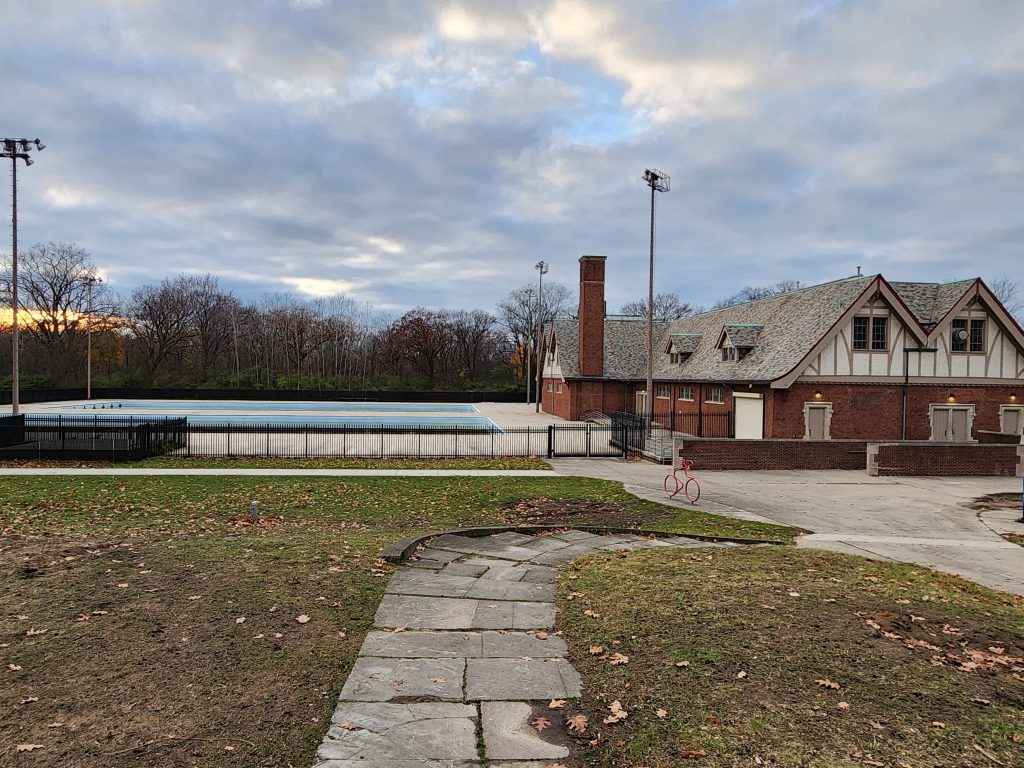
Rouge Park covers more than 1,200 acres on Detroit’s far west side, making it the largest park within city limits — bigger than Belle Isle, bigger than Palmer Park, bigger than most people realize exists. That tends to surprise visitors who associate Detroit’s green spaces with the river or Midtown. Rouge sits up against the Rouge River watershed near the Brightmoor neighborhood, and it doesn’t advertise itself the way more famous spots do.
First-timers often expect a manicured urban park: paved paths, maintained flower beds, maybe a splash pad. What they find instead is something closer to a working forest. The tree canopy runs thick across the northern sections, the trails turn soft underfoot after rain, and in the lower sections near the river, you’re more likely to hear red-tailed hawks than traffic. The park doesn’t feel managed into submission. That’s not neglect — it’s character.
The golf course at Rouge, a public 18-hole layout, draws players who want an honest round without paying Dearborn Country Club prices. Greens fees run around $20 on weekdays. It’s not pristine, but the fairways roll through genuine tree cover and the whole thing feels like golf used to feel before the sport started taking itself so seriously. Weekend mornings fill up; get there early or book ahead online through the city’s recreation portal.
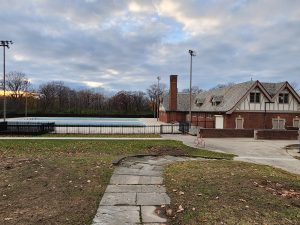
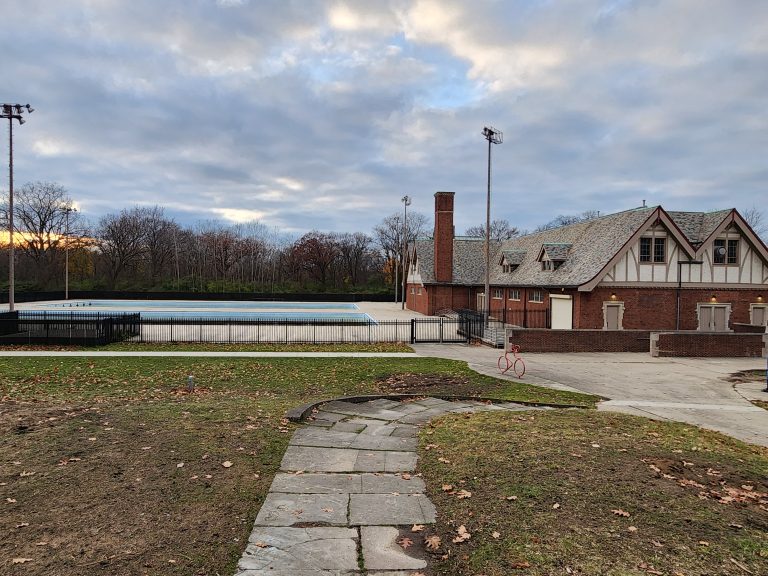
Away from the course, the park has disc golf, picnic shelters, and several miles of natural-surface trails that connect through different sections of the property. The trail system isn’t blazed with the kind of obsessive signage you’d find at a state park, so it helps to look at a satellite map before you go. The western sections near Spinoza Street tend to be quieter and less trafficked, and in autumn the oak and maple mix turns in a way that can stop you mid-step.
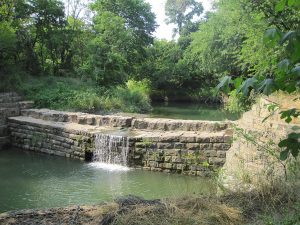
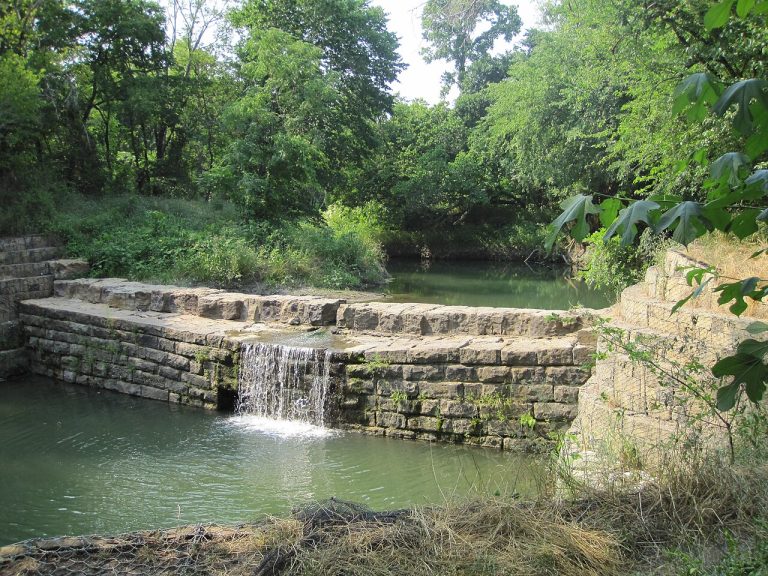
The surrounding Brightmoor neighborhood has had a complicated few decades, and Rouge Park reflects that — there are sections that show deferred maintenance, and a few shelters that have seen better decades. But community investment has picked up. Local groups have organized trail cleanups, and the city has put money into restoring sections of the Rouge River corridor that runs through the park. The river itself is a slow, brown, honest Midwestern waterway. You’re not going to mistake it for a postcard, but that’s the point. This is Detroit’s own green infrastructure, working the way green infrastructure is supposed to.
Go in late September or October if you can. The crowds thin out, the light goes golden through the canopy around 5 p.m., and the trail surfaces firm up after summer’s humidity. Bring layers. Bring water. There are no food vendors inside the park, so plan accordingly. Parking is free at multiple entry points off Outer Drive and Spinoza.
What makes Rouge worth the drive across town — especially if you’re coming from downtown or Midtown — is the genuine sense of scale. You can walk for forty minutes and not loop back on yourself. In a city that still carries the weight of decades of disinvestment, a park this size, this wild in places, this quietly resilient, says something worth paying attention to.