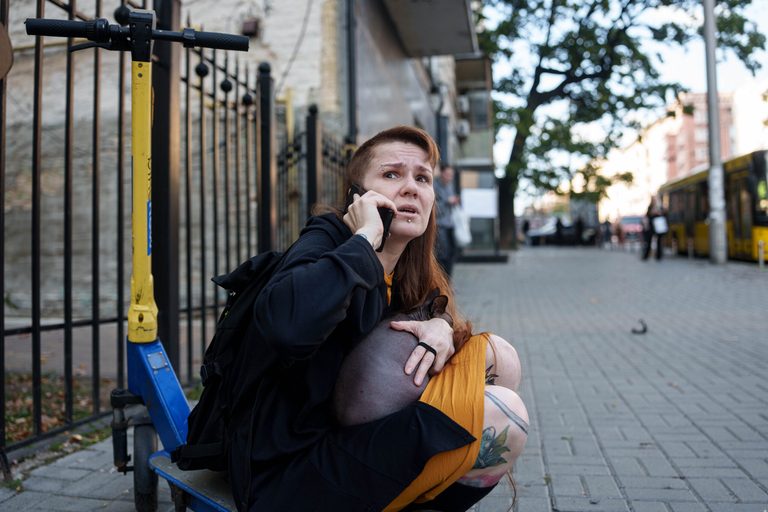
Russia stepped up its attack on Kyiv on Tuesday, firing ballistic missiles and dozens of new jet‑propelled drones, according to Ukraine’s air force. The drones travel at speeds and altitudes that Ukrainian ground‑based air defenses find difficult to engage.
Ukraine’s defensive challenges
Kyiv’s air‑defense forces are scrambling to keep pace by developing faster interceptor drones, a process that can take months to field. Meanwhile, the country remains critically short of U.S.-made Patriot interceptor missiles, the only reliable system for stopping Russian ballistic attacks. Patriot stockpiles are low, largely because of the ongoing conflict in Iran, and Ukraine has received only modest numbers this year despite President Volodymyr Zelenskyy’s repeated pleas.
Ukrainian officials said air defenses shot down two ballistic missiles overnight, suggesting that Kyiv may have recently received additional Patriot missiles.
Winter pressures and civilian impact
As winter approaches, Ukraine’s need for robust air defense grows. Past winters have seen a surge in strikes on the power grid, a tactic that deprives civilians of heating and running water. The latest Russian barrage struck apartment buildings, houses and public transportation in Kyiv, wounding one person.
In the southern port city of Odesa, the attack wounded eight people and damaged residential buildings, a school, an animal shelter and port infrastructure.
Russian targets and Ukrainian retaliation
The Russian Defense Ministry claimed its forces hit data‑processing centers in Kyiv used by the Ukrainian military, which is increasingly employing artificial intelligence on the battlefield. Other reported targets included facilities storing drones and cruise missiles, an electrical substation, a drone manufacturing plant, and port infrastructure in the Odesa region.
Ukraine has not remained passive. Its long‑range drones have struck Russian missile and drone manufacturing sites and launch locations, and Ukrainian forces have hit Russian oil refineries, contributing to fuel shortages.
Broader strategic context
The two armies remain largely deadlocked along the extensive front lines in eastern and southern Ukraine. President Zelenskyy warned that Moscow intends to increase recruitment for another major push. He also noted that an additional 10,000 North Korean troops are heading to Russia, adding to the 8,000 already present, underscoring the growing military cooperation between Russia and North Korea.
While the conflict continues to exact a heavy toll on civilians, the resilience of Ukrainian forces and the ongoing support from international partners remain critical as the war enters its fifth year.
Original reporting: Alexandria, VA News – WTOP News — read the source article.