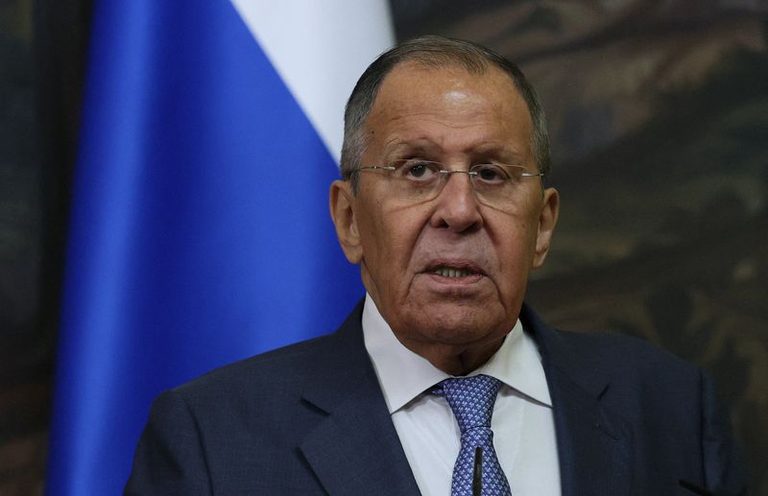
In a statement published by the Russian foreign ministry on Monday, Foreign Minister Sergei Lavrov described NATO’s expanding presence in the Arctic as a “direct threat” to Russia’s security. Lavrov’s comments come as the alliance rolled out its Arctic Sentry mission earlier this year, a program designed to increase monitoring and military exercises in the far north.
Arctic Sentry and NATO’s Strategic Shift
Arctic Sentry, launched in February, marks NATO’s most coordinated effort to date to bolster its footprint in the region. The mission includes joint patrols, surveillance flights and exercises aimed at improving readiness amid growing geopolitical tension. The move follows heightened interest from the United States, where President Trump has publicly advocated for the acquisition of Greenland, and reflects NATO’s broader focus on the Arctic’s strategic importance.
Russia’s Response and Security Concerns
Lavrov warned that the increased NATO activity raises the likelihood of incidents that could trigger an armed confrontation with potentially catastrophic consequences. He emphasized that Russia maintains the largest military presence and the most extensive infrastructure in the Arctic, including a fleet of nuclear‑armed submarines that patrol the region’s icy waters.
“Such military activity in the Far North poses direct threats to Russia’s security. The risks of incidents that could trigger an armed confrontation, with potentially catastrophic consequences, are increasing,” Lavrov wrote.
Regional Dynamics: Norway, China and the Ukraine War
Norway, a NATO member and Russia’s neighbor, recently expanded a newly created Arctic brigade, further solidifying the alliance’s defensive posture. At the same time, China has stepped up its own activities in the mineral‑rich Arctic, often in partnership with Moscow, adding another layer of complexity to the security environment.
Russia has previously dismissed claims that it poses a threat to NATO, but Lavrov’s remarks signal a more assertive diplomatic stance as the alliance’s Arctic initiatives continue.
Implications for U.S. Policy
The development aligns with President Trump’s broader strategic focus on the Arctic, including his expressed interest in acquiring Greenland. While the administration has not detailed specific policy changes, the emphasis on securing American interests in the high north suggests continued support for NATO’s Arctic endeavors.
Analysts note that the Arctic’s melting ice caps are opening new shipping routes, making the region increasingly valuable for trade and resource extraction. As nations vie for influence, the risk of miscalculation grows, underscoring the need for clear communication and diplomatic channels.
Looking Ahead
Both NATO and Russia have signaled a willingness to engage in dialogue to avoid accidental escalation, but the competing military postures suggest a tense standoff may persist. Observers will watch closely how the Arctic Sentry mission evolves and whether it prompts further diplomatic outreach or additional military deployments from either side.
Original reporting: Appleton, WI News Feed (HLL/CB) — read the source article.