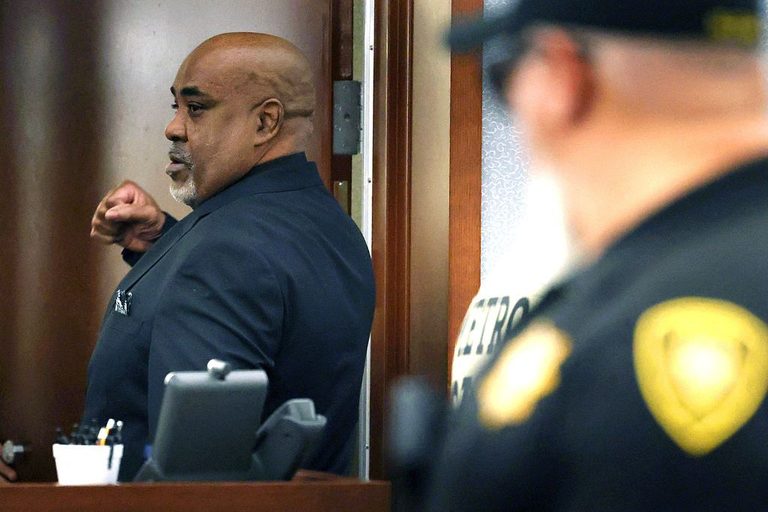
LAS VEGAS — A Nevada jury reached a verdict on Monday that will close a decades‑long chapter in hip‑hop history. Duane “Keffe D” Davis was found guilty of murder with a deadly weapon for his role in the 1996 killing of rap legend Tupac Shakur.
Quick deliberation, swift verdict
Jurors deliberated for less than three hours before delivering a unanimous guilty finding. The charge stemmed from Davis’s alleged planning of the attack that took place on September 7, 1996, when a Cadillac pulled up beside Shakur’s vehicle and gunfire erupted. Shakur later died from his injuries; Death Row Records co‑founder Marion “Suge” Knight was also wounded but survived.
Prosecution’s case
Chief Deputy District Attorney Binu Palal told the jury that Davis obtained a firearm and “went hunting” for Shakur and Knight after they were accused of assaulting Davis’s nephew. Under Nevada law, anyone who aids or directs a homicide bears full criminal responsibility, even if they do not pull the trigger themselves.
The state’s case leaned heavily on Davis’s own public statements. Interviews and passages from his 2019 memoir were introduced as evidence of his involvement and motive. Prosecutors argued that the memoir revealed a pattern of retaliation and a willingness to use violence to settle scores.
Potential life sentence
Following the conviction, Davis faces a possible life term in a Nevada prison. Nevada statutes allow for life imprisonment without the possibility of parole for murder committed with a deadly weapon, reflecting the seriousness with which the state treats violent crime.
Community reaction
While the case centered on a figure from the national music scene, the trial unfolded in a local courtroom, drawing attention from both Las Vegas residents and fans worldwide. Local law‑enforcement officials praised the jury’s work, emphasizing the importance of holding individuals accountable for violent actions, regardless of fame or notoriety.
Legal analysts note that the verdict may set a precedent for other cold‑case prosecutions that rely on newly uncovered evidence and the defendant’s own words. The case also underscores Nevada’s commitment to enforcing its murder statutes and protecting public safety.
Looking ahead
Sentencing is scheduled for later this year. The outcome will likely close the longest‑running murder investigation in modern music history, offering a measure of closure to Shakur’s family, friends, and the broader community that mourned his loss.
Original reporting: 93.1 WIBC (Indianapolis) — read the source article.