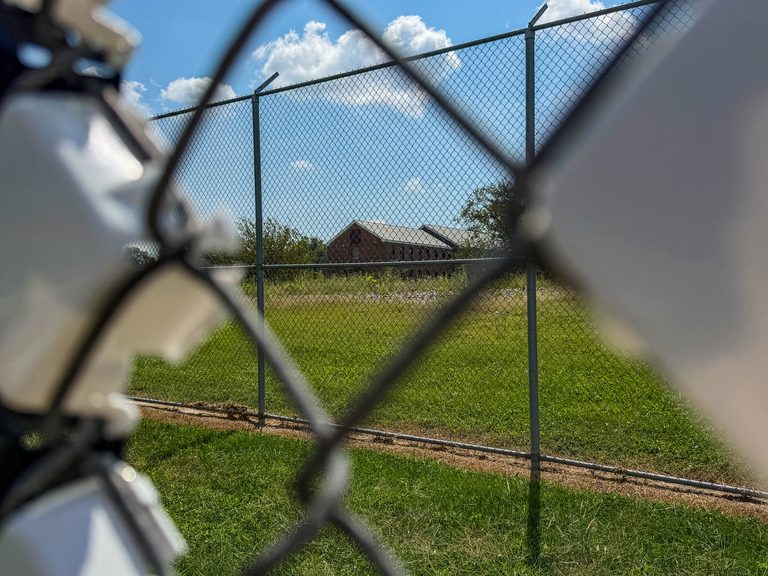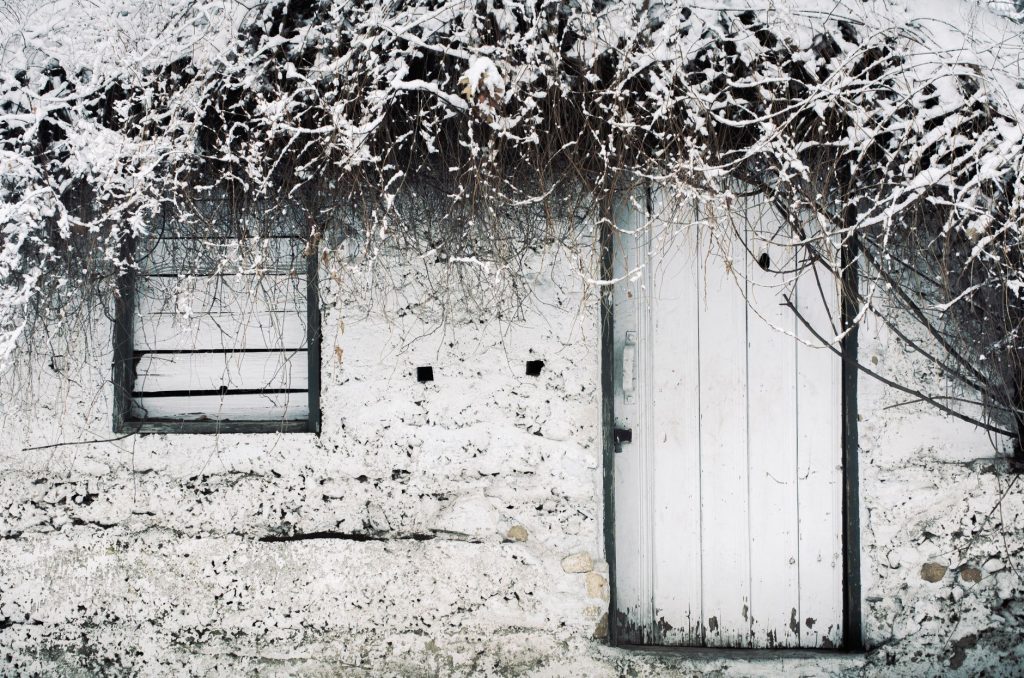
There is a moment, standing on the wide front porch of the Shanley House Museum on the southeastern edge of Granbury’s historic district, when the modern world simply falls away. The breeze off Lake Granbury filters through the old live oaks, the traffic on the square fades to a murmur, and you find yourself genuinely wondering what it felt like to live in this town when the house was first built in the 1890s. That feeling — unhurried, curious, a little reverent — is exactly what the Shanley House delivers, and it does so with a warmth that no glossy brochure could fully prepare you for.
The house itself is a beautifully preserved Victorian-era structure that speaks volumes about the ambitions and the everyday realities of late-nineteenth-century Hood County life. Step through the front door and you are greeted not by velvet ropes and clinical placards, but by rooms that feel genuinely inhabited. Period furniture is arranged the way a family would have arranged it — not for display, but for living. A writing desk sits angled toward the window to catch the afternoon light. A quilt folded over the arm of a settee looks as though someone might return to finish it this evening. The curators here have worked hard to create an atmosphere of authenticity rather than spectacle, and that restraint is precisely what makes the place so affecting.
What sets the Shanley House apart from a run-of-the-mill house museum is the quality of the storytelling. Volunteer docents — many of them lifelong Granbury residents with deep ties to the families whose histories fill these rooms — lead tours that feel more like a long conversation with a knowledgeable friend than a rehearsed presentation. They will tell you about the social fabric of a small Texas county seat at the turn of the century, about the mercantile trade that built these neighborhoods, about the women who ran households and community organizations with equal parts grit and grace. These are not dusty facts recited from a script; they are living stories, passed down and cared for by people who genuinely love them.
The grounds surrounding the house are worth lingering over as well. A kitchen garden has been planted to reflect period-appropriate crops and herbs, and on weekends in the spring and fall, the museum occasionally hosts interpretive programming — open-hearth cooking demonstrations, textile arts workshops, and seasonal garden tours — that bring the history off the walls and into your hands. Check the museum’s calendar before you visit, because catching one of these events elevates the experience considerably.
Admission is modest, parking is easy, and the museum is just a short, pleasant walk from Granbury’s main square, which means you can fold a visit here into a fuller afternoon downtown without any logistical gymnastics. Plan for at least an hour, though you may well find yourself staying longer. The Shanley House rewards the unhurried visitor — the kind of traveler who believes that the best souvenirs are not sold in gift shops but carried home in memory.
Granbury has no shortage of ways to spend a weekend, but the Shanley House offers something genuinely rare: a quiet, intelligent encounter with the human-scale history of a town that takes its past seriously. Come with your curiosity switched on, and you will leave with a richer sense of what this corner of Texas is really made of.