Taos, N.M. – Rural high‑school seniors in northern New Mexico are finding new pathways to higher education thanks to a handful of locally driven programs that pair scholarship funding with hands‑on application support. The effort addresses the stark gap highlighted by the Lumi Foundation, which reports only 19 percent of rural Americans hold a bachelor’s degree compared with a national average of 33 percent.
ROCA bridges the distance between students and scholarships
Matt Ybarra, program director for Rural Opportunities for College Access New Mexico (ROCA), launched the initiative during the COVID‑19 pandemic to connect students with the Davis New Mexico Scholarship. Founded in 2014 by philanthropist Andrew Davis, the scholarship covers 100 percent of a recipient’s cost of attendance, including tuition, meals, housing and travel.
“Students outside Santa Fe and Albuquerque often didn’t know how to apply,” Ybarra explained. “ROCA provides guidance, support and information so they don’t have to navigate the process alone.”
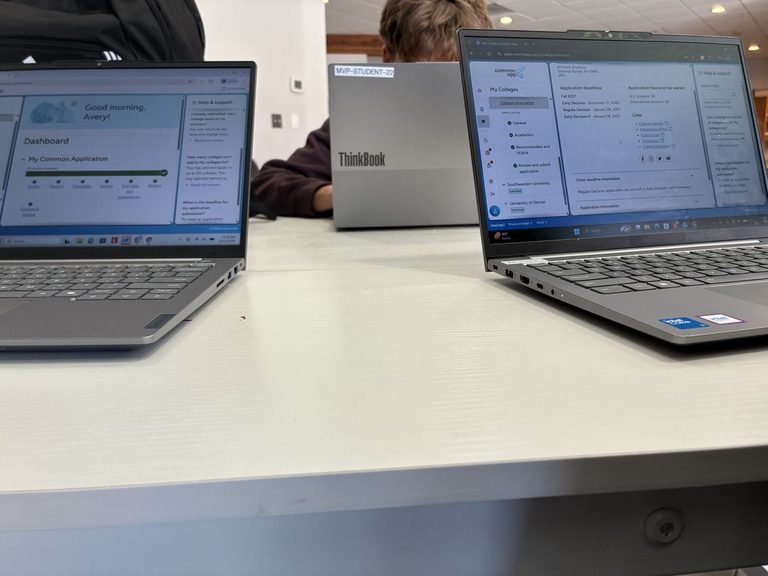
ROCA’s core services include a four‑day summer program held between junior and senior years, where participants receive intensive application coaching, meet college representatives and learn to evaluate financial‑aid packages. After the workshop, Ybarra continues to assist each student with recommendation letters, travel logistics and exploring all viable college options.
Bridges Project for Education adds a “whatever‑it‑takes” mindset
Since 1997, the Taos‑based Bridges Project for Education has offered a similar summer program and free counseling to any student applying to college, regardless of background. Executive Director Hannah Gunther describes the organization’s approach as a “whatever‑it‑takes mindset.”
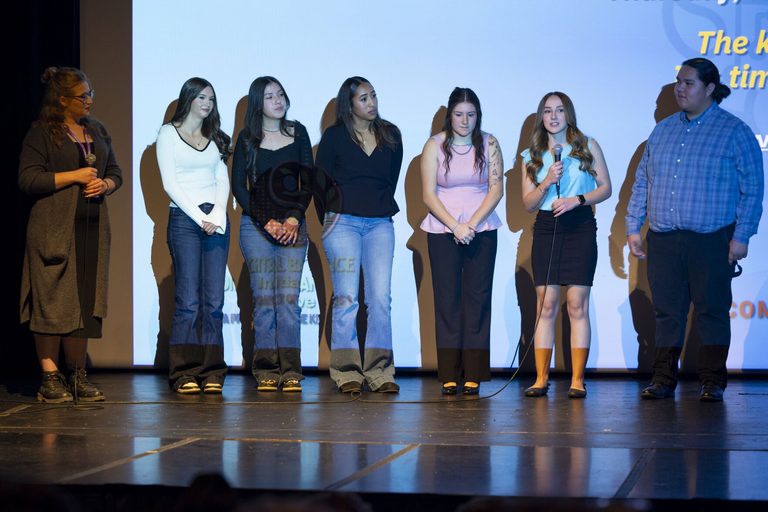
Local senior Penelope Avitia praised Bridges, saying it helped her discover colleges, understand financial aid and broaden her outlook. College freshman Zion Jane Flores, a Davis Scholarship recipient, echoed that sentiment, noting the program’s comprehensive assistance saved her from having to figure everything out on her own.
Students speak on the impact
“Just do it; the worst thing that can happen is it doesn’t work out,” said Avery Seyford, a senior who participated in ROCA. “As rural students, we don’t always have a lot of opportunities, so take what we are given.”
These testimonials underscore a broader reality: rural schools often lack the extracurriculars, AP courses and internship opportunities that college admissions officers value. Limited resources can lead to lower attendance and graduation rates, making targeted support essential.
Looking ahead
Both ROCA and Bridges continue to travel to high schools across the region, inviting students to attend information sessions and apply for aid. Their combined efforts aim to raise the proportion of rural New Mexicans earning bachelor’s degrees, aligning local outcomes with national expectations.
For more information, visit bridgesproject.org or rocanm.org.
Original reporting: Taos News — read the source article.