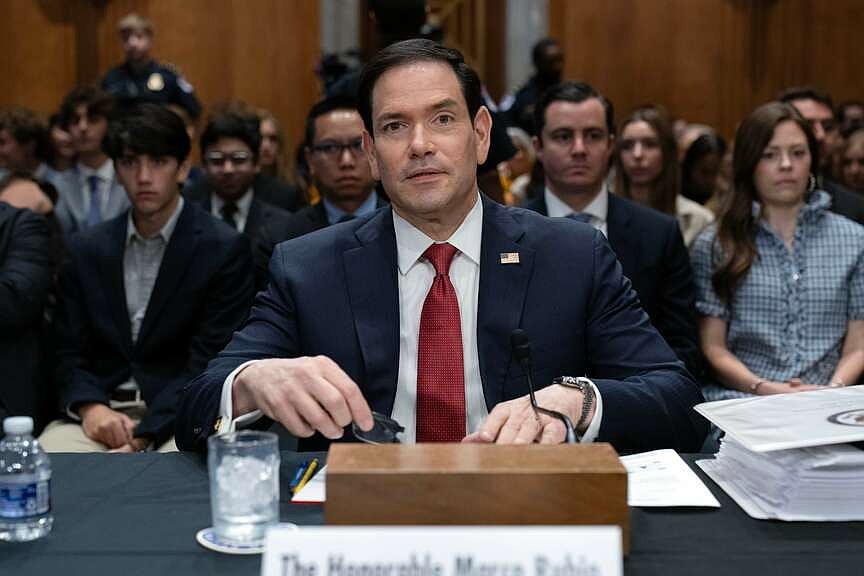
Secretary of State Marco Rubio expressed optimism about the potential resumption of nuclear talks with Iran, despite ongoing challenges in the region. Speaking in Washington, Rubio highlighted Iran’s willingness to negotiate on nuclear issues previously off the table. However, he acknowledged the uncertainty surrounding the outcome of these talks, given Iran’s unstable leadership.
Congressional Hearings and Criticism
During hearings before the Senate Foreign Relations Committee and a House Appropriations subcommittee, Rubio defended the Trump administration’s foreign policy approach. He faced interruptions from protesters and criticism from Democrats, who questioned the administration’s foreign aid cuts and military interventions. Senator Chris Van Hollen criticized the U.S. and Israeli military actions in Iran, accusing President Trump of reckless behavior.
Rubio maintained that Iran would not receive significant sanctions relief without further concessions on its nuclear program. He also noted that Iran’s new supreme leader, Mojtaba Khamenei, is engaging in discussions through intermediaries, despite not being publicly visible since the war began.
U.S. Military Actions and Legal Concerns
Questions arose about the legality of U.S. military strikes against alleged drug-smuggling vessels in the Caribbean and Pacific, which have resulted in over 200 deaths. Rubio assured that each strike is legally vetted, while Democratic Senator Tim Kaine highlighted the lack of transparency in targeting criteria.
Taiwan Arms Sales and China Relations
Rubio addressed the potential $14 billion arms sale to Taiwan, emphasizing that it remains under consideration despite Chinese opposition. He clarified that the decision is not influenced by Chinese pressure, though it remains a topic in U.S.-China discussions.
Protests Over Cuba Policy
Rubio, a son of Cuban immigrants, faced protests over the Trump administration’s stance on Cuba. Protesters called for an end to U.S. actions against Cuba, while Rubio defended the administration’s focus on changing Cuban government policies. He reiterated that Cuba poses a national security threat due to its ties with U.S. adversaries.
Original reporting: Texarkana Gazette — read the source article.