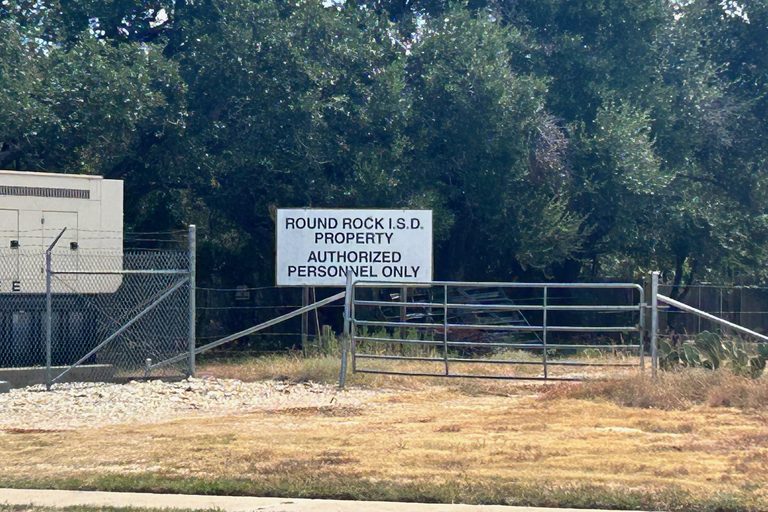
Round Rock Independent School District (RRISD) controls 1,496.9 acres within its 70,400‑acre boundaries, with almost 250 acres still undeveloped. Superintendent Hafedh Azaiez told the board that every option is on the table as the district faces an uncertain financial year.
Current holdings and potential uses
Several large parcels have long been earmarked for future campuses, such as a sixth high school near Pearson Ranch Road and a possible second competition stadium near A.W. Grimes Boulevard. Those parcels have remained in district ownership while RRISD anticipated continued growth in the area.
Financial considerations
The district has not yet committed to selling land for short‑term revenue, but Azaiez said that could change after discussions with the district’s demographic consulting firm, Zonda Education, in the fall and spring. If demographic projections show declining enrollment or limited residential development that would not bring additional students, the board may reconsider its position on property sales.
“If we determine that we may not need all this land, the best way may be to talk with the board about potentially selling … to generate some funding,” Azaiez said. “But we are not there yet.”
Holding the undeveloped parcels also incurs ongoing maintenance costs, which the district must absorb regardless of future use.
Recent property transactions
During the 2024‑25 fiscal year, RRISD sold a 7.5‑acre parcel for $9.8 million, a deal administrators said turned a balanced budget into a surplus. In the 2025‑26 fiscal year, total property sales amounted to just over $1 million.
Possible paths forward
If growth continues, Azaiez indicated the district could address enrollment fluctuations by adjusting attendance boundaries instead of building new campuses. That approach could free up some of the undeveloped land for other purposes.
The superintendent also noted that the district is monitoring how education savings accounts and its own in‑house virtual academy might affect facility needs. Should those programs reduce the demand for physical space, the district could deem certain parcels permanently unnecessary and consider selling them to benefit the district’s finances.
Community impact
Any decision to sell district land will be closely watched by parents, local businesses, and community leaders who rely on the school system’s stability. The board’s upcoming discussions with Zonda Education will provide more concrete data on enrollment trends, helping stakeholders understand the rationale behind any potential land sales.
For now, RRISD remains focused on maintaining fiscal responsibility while preserving the flexibility to meet future educational demands.
Original reporting: Community Impact — Austin — read the source article.