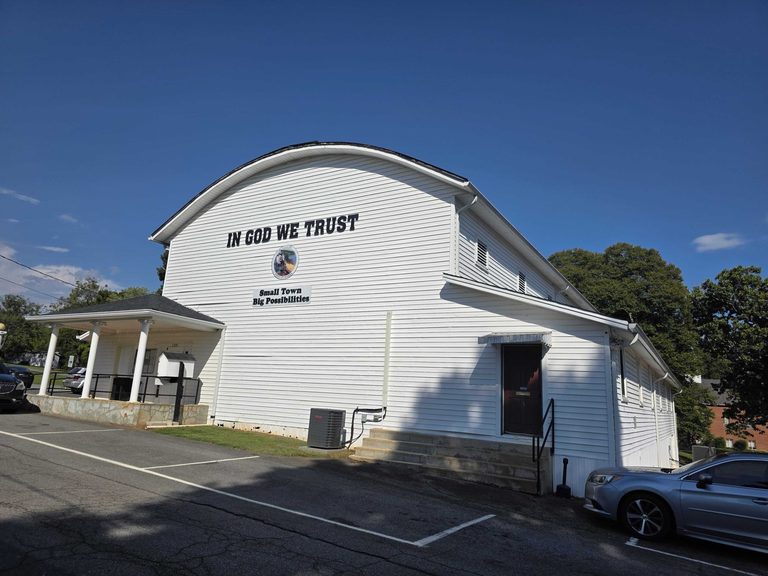
Ronda, a small town along the Yadkin River in Wilkes County, North Carolina, has taken the decisive step to dissolve itself after more than a decade on the State Local Government Commission’s Unit Assistance List. The town’s leaders voted 3‑1 on September 8 to initiate the dissolution process, citing “severe and immediate financial distress” and an inability to meet payroll in the coming months.
Background of financial distress
Since 2015 the Local Government Commission (LGC) has flagged Ronda for late audits, budget violations and a chronically under‑funded water system. Acting Mayor Kevin Reece explained that most of the roughly 436 residents work low‑wage jobs in textile and furniture factories, and a large share of the population is over 65 and relies on limited Social Security benefits.
Over the past 15 years the town’s aging water infrastructure has repeatedly drained both the water fund and general revenues. LGC Secretary Denise Canada noted that the town repeatedly spent more than it collected, a clear violation of state budget law.
Audits submitted to the LGC have been late by anywhere from six weeks to almost a year since fiscal year 2021. While the town’s audits are now current, Canada stressed that timely filing is essential for assessing the true condition of the finances, which she described as “concerning.”p>
Failed attempts at remediation
Former town manager James Michael Boaz, who served for a decade, was accused of embezzling funds during his tenure in nearby Pilot Mountain and was arrested in May. His legal troubles added to the town’s instability.
High turnover in the mayor’s office—five different mayors in two years—further hampered consistent leadership. Reece acknowledged the town had received millions of dollars in grant funding from the General Assembly, but said the money would not resolve the deep‑seated infrastructure problems anytime soon.
Commission’s role and the decision to dissolve
State Treasurer Brad Briner, chair of the LGC, praised Ronda’s leaders for choosing what he called “the best option for their citizens and taxpayers.” The commission will continue to assist the town through the dissolution steps and coordinate with Wilkes County and other stakeholders to ensure a smooth transition.
Ronda officials initially sought a referendum on dissolution, hoping residents could vote on the town’s fate. However, LGC staff warned that even if the General Assembly approved a referendum, the earliest possible ballot date would be November 2027—far too late to address the immediate fiscal emergency.
Faced with that timeline, the board concluded that a special election was not feasible and moved forward with dissolution.
Community reactions
Long‑time resident Joy Billings said the town’s water system surcharge—an increase from $52.24 to $55.24 per month—was a heavy burden for seniors on fixed incomes. She added that the town’s limited commercial base—only a Dollar General, a restaurant and a convenience store—provides little revenue.
Billings expressed that while she appreciates Ronda’s small‑town character, she believes the dissolution was inevitable. “The town should have dissolved years ago,” she said.
Other residents, however, still feel a strong attachment to the town’s identity. “A lot of the people that live here still think that it’s a town, that’s a big deal,” Billings noted.
Commissioner Bobby Munsey, who voted against dissolution, warned that the loss of municipal services could affect the town’s park, cemetery and other community assets.
Looking ahead
Mayor Reece summed up the grim reality: “Financially, I don’t see how the town can afford to be a town. I think it’s a waste of the citizens’ money and sales‑tax dollars.” He added that the decision, though painful, may be the only way to protect residents from further fiscal ruin.
The LGC will now work with Wilkes County officials to manage the transition, including the disposition of town assets, outstanding debts and the continuation of essential services for remaining residents.
Original reporting: Carolina Public Press — read the source article.