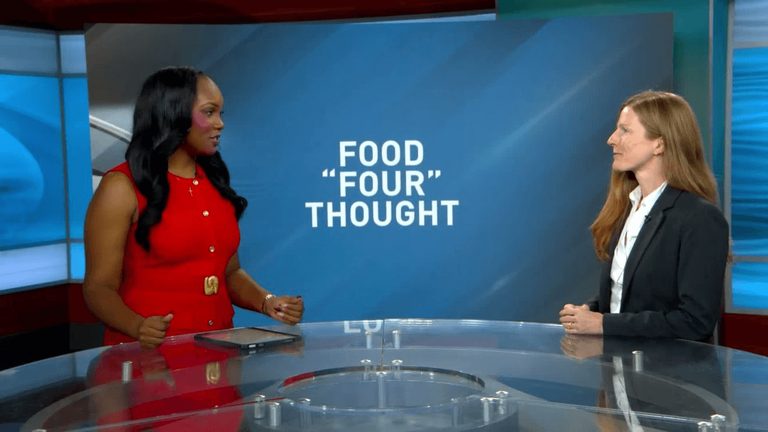
In a recent segment of the local “Food Four” Thought series, NBC 10 sat down with University of Rhode Island nutrition professor Brie Oaks to discuss how pregnant women can nourish themselves and their developing babies. Oaks emphasized the importance of establishing healthy eating habits before conception and staying informed about the flood of nutrition claims that appear online.
Start with solid habits before pregnancy
According to Oaks, the foundation for a healthy pregnancy begins well before a woman becomes pregnant. “A balanced diet rich in whole grains, lean proteins, fruits, and vegetables sets the stage for a strong start,” she said. She urged women planning a family to focus on getting adequate folic acid, iron, and calcium, nutrients that support fetal development and reduce the risk of birth defects.
What to trust – and what to question – online nutrition claims
Oaks warned that many popular pregnancy‑related nutrition tips circulating on social media lack scientific backing. She cited a common claim that pregnant women need to double their calorie intake, noting that most women only need a modest increase of about 300 extra calories per day during the second and third trimesters. “The key is quality, not quantity,” Oaks explained.
She also addressed the myth that certain foods, such as raw fish or unpasteurized cheese, are always off‑limits. While some foods do pose a risk of food‑borne illness, Oaks clarified that many can be safely enjoyed if properly prepared. For example, sushi made with cooked fish or vegetarian options can provide valuable omega‑3 fatty acids without the associated hazards.
Practical tips for everyday meals
To help expectant mothers translate guidance into daily meals, Oaks offered several straightforward suggestions:
- Incorporate a source of protein at each meal – beans, poultry, eggs, or low‑fat dairy.
- Choose whole‑grain breads, pastas, and cereals to boost fiber and steady blood‑sugar levels.
- Snack on nutrient‑dense foods like nuts, yogurt, or fresh fruit instead of processed snacks.
- Stay hydrated with water, milk, or 100 % fruit juice; limit sugary beverages.
She also recommended prenatal vitamins as a safety net for nutrients that may be harder to obtain from diet alone, especially folic acid and iron.
Why accurate information matters
Oaks stressed that reliable nutrition information supports both maternal health and fetal growth, reducing the likelihood of complications such as gestational diabetes or low birth weight. “When mothers feel confident about what they’re eating, they’re more likely to stick with healthy habits throughout pregnancy and beyond,” she said.
Listeners were encouraged to consult registered dietitians or their healthcare providers for personalized guidance, especially if they have pre‑existing medical conditions or dietary restrictions.
Looking ahead
Oaks plans to continue sharing evidence‑based nutrition advice through local media appearances and university outreach programs. She hopes that by cutting through misinformation, more families in Rhode Island will enjoy healthier pregnancies and stronger starts for their children.
Original reporting: NBC 10 WJAR (Sinclair) – local — read the source article.