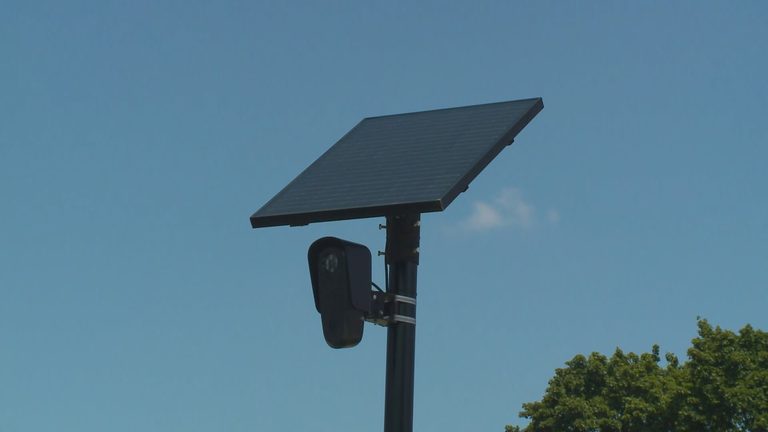
Toledo, Ohio – During Wednesday’s regular council meeting, members voted unanimously against ending the city’s contract with Flock Safety, the company that supplies automated license‑plate reader (ALPR) cameras throughout the municipality. The ordinance to terminate the agreement received six “no” votes, effectively keeping the cameras in place while an independent audit of the system’s raw data continues.
Background on the Flock Safety contract
Mayor Wade Kapszukiewicz approved the original contract with Flock Safety in 2022 as part of a broader effort to enhance public‑safety tools. The system captures images of vehicle plates and stores the data for law‑enforcement use. Supporters argue the technology helps deter crime and assists officers in locating stolen vehicles and suspects.
Council’s attempt to end the agreement
Last month, a coalition of five council members introduced a resolution urging the mayor to terminate the contract, remove or deactivate all ALPR equipment, purge stored data, and block any future renewals. Their concerns centered on privacy, data‑retention practices, and the lack of clear oversight.
During the Wednesday session, councilors debated the merits of the resolution. Some members called for a delay in the vote until the auditor’s review was complete, hoping the findings would clarify whether the system’s data handling complied with city policy and state law. That motion to postpone also failed.
Auditor’s review and next steps
The city auditor has been tasked with an independent examination of the raw footage and metadata collected by the Flock cameras. A recent request for a 30‑day extension indicates the review is more complex than initially anticipated. While the audit proceeds, the cameras will remain operational, allowing law‑enforcement to continue using the technology.
Council members noted that the audit’s findings could shape future decisions. If the review uncovers significant privacy violations or procedural gaps, the council could revisit the termination resolution at a later meeting.
Community response
Local residents and advocacy groups have expressed mixed feelings. Privacy‑rights organizations argue that continuous surveillance erodes civil liberties and calls for stricter limits on data storage. Conversely, neighborhood watch groups and some business owners contend that the cameras have contributed to a noticeable decline in vehicle‑related crimes in high‑traffic areas.
Councilor Andrea Johnson, a vocal critic of the contract, said, “We must ensure that any technology used in our neighborhoods respects the constitutional rights of our citizens and is subject to transparent oversight.” Councilor Mark Davis, who voted against termination, responded, “The data we have so far shows that these cameras are a valuable tool for public safety, and we should not discard them without solid evidence that they are harmful.”
What this means for Toledo residents
For now, the ALPR cameras will stay active, continuing to capture license‑plate information on city streets. Residents can expect the same level of surveillance that has been in place since the contract’s inception, pending the auditor’s final report. The council has signaled that it will reconvene on the issue once the audit is complete, offering an opportunity for further public input.
As the debate over technology, privacy, and public safety unfolds, Toledo’s elected officials are balancing the desire for effective law‑enforcement tools with the community’s call for greater transparency and accountability.
Original reporting: 13abc WTVG Toledo (news) — read the source article.